
If you're considering rhinoplasty, you've probably spent some time thinking about how your new nose will look. But what about the recovery? One of the most common questions we hear from patients is, "How long will my nose be swollen after surgery?"
The good news is that while swelling is an unavoidable part of rhinoplasty recovery, there are ways to make the healing process more comfortable and help keep unnecessary swelling to a minimum. At The Spiegel Center, just outside Boston in Newton, Massachusetts, our double board-certified facial plastic surgeons, Dr. Jeffrey Spiegel and Dr. Jacob Tower, help patients navigate every stage of rhinoplasty, from their initial consultation through the final stages of healing.
Whether you're preparing for your first nose job or recovering from revision rhinoplasty, here are five tips to help reduce swelling and give your nose the time it needs to heal beautifully.
How Long Does Swelling Last After Rhinoplasty?
First, it's important to know that rhinoplasty swelling doesn't disappear overnight. In fact, your nose will continue to change and refine for months after surgery.
Most patients see a noticeable improvement in swelling within the first few weeks. By the end of the first month, much of the initial puffiness has typically subsided, although the nose may still look fuller than expected, especially around the tip.
The final stages of healing take longer. It can take a year or more for all the subtle swelling to resolve and for your final rhinoplasty results to become apparent.
Here's a general idea of what to expect:
|
Timeline |
What You May Notice |
|
First 3 days |
Swelling and bruising are usually at their peak. |
|
First week |
Swelling begins to improve, although your nose may still feel stuffy or congested. |
|
Weeks 2–4 |
Much of the visible swelling subsides, and your nose begins to look more defined. |
|
Months 1–3 |
Your nose continues to settle, with gradual improvements in shape and definition. |
|
Months 3–6 |
Lingering swelling, particularly at the nasal tip, slowly decreases. |
|
Months 6–12+ |
The final refinements become more noticeable as the remaining swelling resolves. |
Every patient heals differently. Your skin thickness, the extent of your procedure, and whether you've had previous nasal surgery can all influence your rhinoplasty recovery timeline.
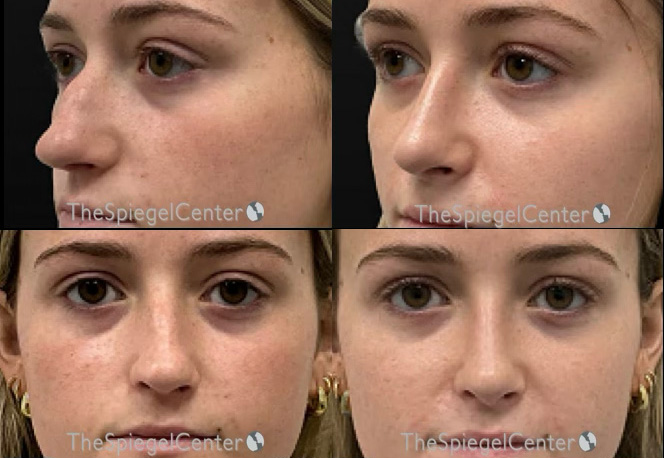
Real Patient Results - Before & After Rhinoplasty
1. Sleep With Your Head Elevated
Something as simple as changing your sleeping position can make a difference during the first few weeks after rhinoplasty. When you lie flat, fluid can collect in your facial tissues, making swelling around your nose and eyes more noticeable. Keeping your head elevated helps limit that fluid buildup.
Try sleeping on your back with your head and upper body propped up using a wedge pillow or a few supportive pillows. If you're normally a side sleeper, this may take some getting used to, but it's worth the adjustment. You'll also want to avoid sleeping on your stomach or putting pressure on your nose while it heals.
Dr. Spiegel and Dr. Tower provide personalized instructions about sleeping positions and how long to maintain them after surgery. Following those recommendations can help protect your healing nasal structures.
2. Use Cold Compresses, but Keep Them Away From Your Nose
A cool compress can feel wonderful when you're dealing with swelling and bruising after nose surgery. The trick is knowing where to place it. Your nose is especially delicate immediately after rhinoplasty. Applying ice or pressure directly to it can interfere with healing, particularly if you've had work done on the nasal bones or cartilage.
Instead, if your surgeon approves, gently place a cool compress over your cheeks or beneath your eyes.
A few things to remember:
- Never put ice directly on your skin.
- Avoid placing any pressure on your nose or nasal splint.
- Use cool compresses only as directed by your surgical team.
Cold compresses are generally most helpful during the first few days after surgery. While they won't make swelling disappear completely, they may help ease discomfort and reduce some of the initial puffiness.
3. Give Yourself a Break From the Gym
We know it's tempting to get back to your normal routine as soon as you're feeling better. But even if you feel great a week after rhinoplasty, your nose is still healing.
Activities that increase your heart rate and blood pressure can make swelling worse and may increase the risk of bleeding.
That means putting strenuous workouts, heavy lifting, running, and high-intensity exercise on hold until your surgeon gives you the go-ahead. Gentle walks are often a good way to stay active during recovery once approved by your surgeon. Just be careful not to overdo it.
When can you work out after rhinoplasty?
There's no single answer for everyone. Some patients can begin easing back into light exercise within the first few weeks, while more intense workouts may need to wait several additional weeks.
Dr. Jacob Tower, who specializes in rhinoplasty, preservation rhinoplasty, and revision rhinoplasty at The Spiegel Center, considers the extent of each patient's procedure when recommending a return to physical activity.
The bottom line? A few weeks away from your usual workout routine is a small trade-off for giving your nose the opportunity to heal properly.
4. Watch Your Salt Intake and Stay Hydrated
What you eat and drink during recovery matters more than you might think.
While there's no miracle food that will instantly eliminate swelling after rhinoplasty, good nutrition gives your body the resources it needs to repair itself. One simple change is to be mindful of sodium. Eating a lot of salty foods can contribute to fluid retention, which may leave your face looking puffier than usual.
You don't need to eliminate salt entirely. Just try to avoid going overboard with processed foods, salty snacks, and takeout meals during the early stages of recovery. Focus on eating a balanced diet with plenty of protein, fruits, vegetables, and other nutrient-rich foods. And don't forget to drink water throughout the day.
It's also important to avoid nicotine products, which can interfere with circulation and wound healing, and to wait until your surgeon approves alcohol consumption.
What about supplements for rhinoplasty swelling?
You may have heard that arnica or bromelain can help reduce bruising and swelling after plastic surgery. Although these supplements are sometimes discussed in connection with postoperative recovery, research on their effectiveness is mixed.
Some supplements can also interfere with medications or increase bleeding risk, so always check with your surgeon before taking anything new.
5. Be Patient and Follow Your Surgeon's Instructions
This may be the most important tip of all: give your nose time.
Rhinoplasty is an incredibly precise procedure. Even small adjustments to the nasal bones and cartilage can make a significant difference in your appearance, and those delicate structures need time to heal.
It's normal to look in the mirror a few weeks after surgery and wonder why your nose doesn't look exactly the way you expected. Remember, you're seeing a work in progress.
Dr. Jeffrey Spiegel, an internationally recognized facial plastic surgeon and professor at Boston University, has extensive experience performing both primary and complex revision rhinoplasty. With more than 100 scientific publications, he brings a deep understanding of facial anatomy and surgical techniques to his work.
One of the most important things to understand about rhinoplasty is that your results develop gradually. What you see at three weeks is not necessarily what you'll see at three months, and what you see at three months may continue improving over the following year. Your surgeon will provide specific instructions for caring for your nose, including when you can blow your nose, when you can return to exercise, when you can wear glasses, and when you can resume other activities.
Be sure to attend your follow-up appointments, even if everything seems to be healing well. These visits give your surgical team an opportunity to monitor your progress and address any concerns. And if you notice sudden or rapidly worsening swelling, severe pain, fever, increasing redness, or persistent heavy bleeding, contact your surgical team promptly.
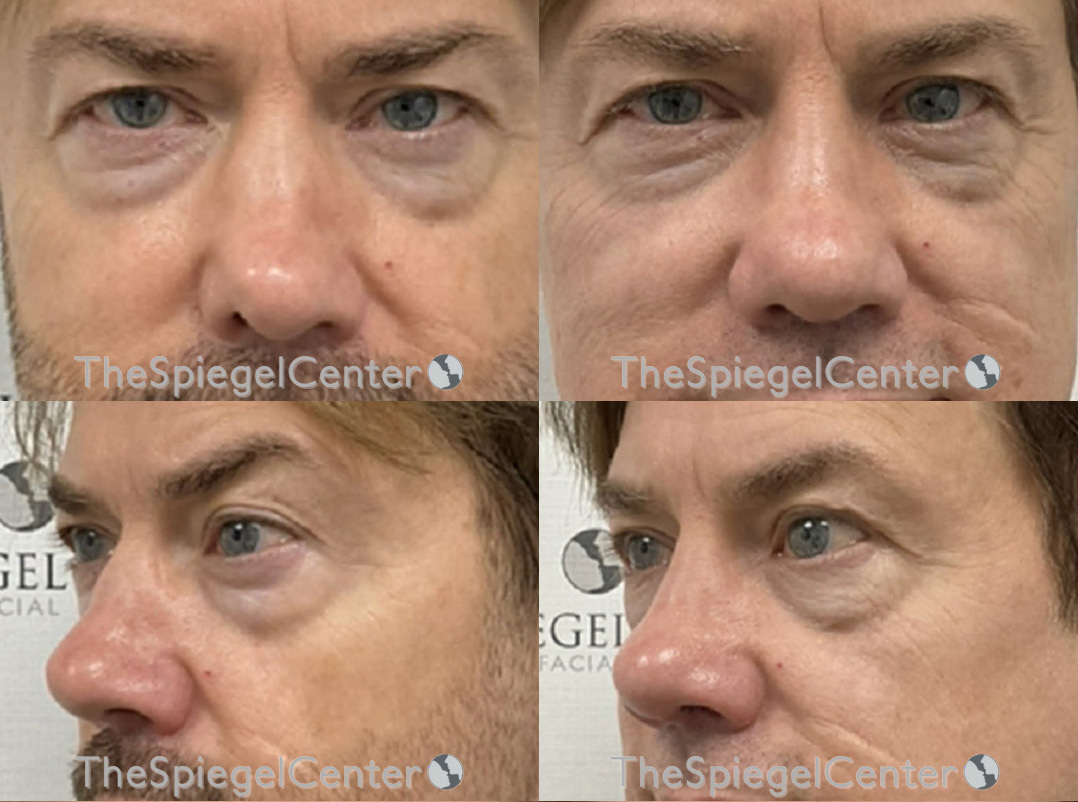
Real Patient Results - Revision Rhinoplasty
Why Is the Tip of My Nose Still Swollen Months After Rhinoplasty?
If the bridge of your nose looks great but the tip still seems a little round or puffy, don't panic. This is one of the most common experiences during rhinoplasty recovery.
The nasal tip tends to hold onto swelling longer than other areas of the nose because of its delicate skin, cartilage, and soft tissues. Patients with thicker skin or those who have undergone significant tip refinement may notice that this area takes particularly long to settle.
It's also common for swelling to fluctuate. Your nose might look more defined one day and slightly puffier the next, especially in the morning. For patients undergoing revision rhinoplasty, the process can take even longer. Scar tissue from a previous procedure may affect how quickly swelling resolves.
The key is patience. As the swelling gradually subsides, the shape and definition of your nose will continue to emerge.
Does the Type of Rhinoplasty Affect Swelling and Recovery?
Yes. Not all rhinoplasty procedures involve the same surgical techniques, and the extent of your surgery can influence how much swelling you experience.
For example, a procedure focused primarily on refining the nasal tip may have a different recovery pattern than one involving significant adjustments to the nasal bridge or nasal bones. Preservation rhinoplasty, which aims to maintain certain existing nasal structures when appropriate, may offer advantages in recovery for some patients. However, it does not guarantee less swelling or a faster recovery.
Revision rhinoplasty can be more complex because the surgeon is working with tissues that have already undergone surgery. Scar tissue and changes to the underlying nasal structures may contribute to a longer healing process. At The Spiegel Center, Dr. Spiegel and Dr. Tower offer several approaches to rhinoplasty, including traditional, preservation, and revision rhinoplasty. The technique they recommend depends on your anatomy, goals, and whether you've previously had nasal surgery.
Rhinoplasty Recovery: Frequently Asked Questions
What is the fastest way to reduce swelling after rhinoplasty?
The best way to manage swelling is to keep your head elevated, avoid strenuous exercise, stay hydrated, and follow your surgeon's postoperative instructions. Cool compresses may also help during the first few days when used appropriately. There is no proven shortcut that eliminates all rhinoplasty swelling immediately.
How long will my nose look swollen after rhinoplasty?
Most noticeable swelling improves within the first few weeks, but it can take 12 months or longer for the remaining swelling to resolve. The nasal tip typically takes the longest to settle.
Why does my nose look bigger after rhinoplasty?
Swelling can temporarily make your nose appear larger or less defined than expected. This is especially common during the first few weeks after surgery. As the tissues heal and swelling decreases, your nose will gradually reveal its new contours.
Is it normal to have swelling three months after rhinoplasty?
Absolutely. Some swelling at three months is expected, particularly around the nasal tip. Many patients continue seeing subtle improvements for a year or longer after surgery.
Can I sleep on my side after rhinoplasty?
Your surgeon will let you know when it's safe to return to side sleeping. During the initial recovery period, sleeping on your back with your head elevated is commonly recommended to help manage swelling and avoid pressure on your nose.
Does revision rhinoplasty take longer to heal?
It can. Revision rhinoplasty often involves scar tissue and previously altered nasal structures, which may make the healing process more complex. Some revision patients experience swelling that lasts longer than it would after their first rhinoplasty.
When can I return to work after a nose job?
Many patients feel comfortable returning to desk-based work within one to two weeks. If your job involves physical activity, you may need additional time off. Your surgeon can help you plan for an appropriate recovery period.
Considering Rhinoplasty in Boston? Meet Dr. Spiegel and Dr. Tower
Choosing the right rhinoplasty surgeon is about more than finding someone who can change the shape of your nose. It's about finding a specialist who understands how your nose fits your face and how to achieve a result that looks natural.
At The Spiegel Center in Newton, Massachusetts, just outside Boston, Dr. Jeffrey Spiegel and Dr. Jacob Tower take a personalized approach to nasal surgery.
Dr. Spiegel is a double board-certified facial plastic surgeon, Boston University professor, and recognized expert in complex facial procedures, including revision rhinoplasty. His approach focuses on creating balanced, natural-looking results while addressing functional concerns when appropriate.
Dr. Tower is also a double board-certified facial plastic surgeon, with expertise in rhinoplasty, preservation rhinoplasty, and revision rhinoplasty. He focuses on thoughtful, individualized surgical planning to create results that complement each patient's facial features.
Together, they offer patients access to advanced rhinoplasty techniques and personalized care before and after surgery. The Spiegel Center welcomes patients from Boston, Newton, Brookline, Cambridge, Wellesley, Chestnut Hill, and throughout New England, as well as patients traveling from across the country.
Ready to Learn More About Rhinoplasty in Boston?
Rhinoplasty recovery takes patience, but knowing what to expect can make the process much less intimidating. With the right preparation, proper aftercare, and guidance from an experienced facial plastic surgeon, you can feel more confident as your nose heals and your results gradually take shape.
Whether you're interested in refining the appearance of your nose, addressing breathing concerns, or exploring revision rhinoplasty, our team at The Spiegel Center is here to help. Schedule an in-person or virtual rhinoplasty consultation with Dr. Jeffrey Spiegel or Dr. Jacob Tower.