Confidence Starts With the Right Chest Contour

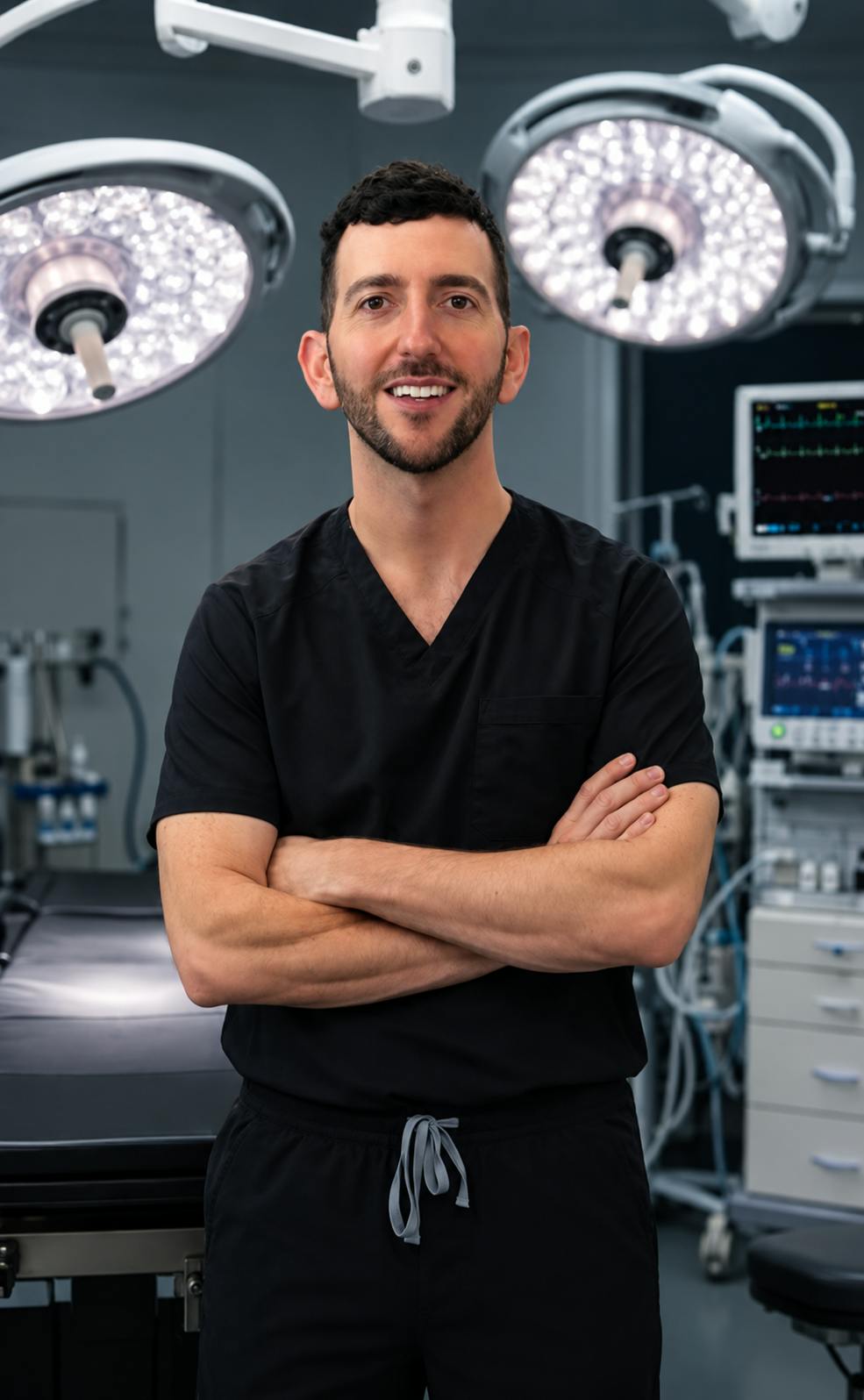
The Spiegel Center has spent over two decades helping patients feel at home in their own bodies, and that mission extends well beyond the face. Our board-certified general surgeon and board-eligible plastic surgeon, Dr. Scott Levin, brings nearly a decade of surgical experience to every consultation, with an evidence-informed approach built on precision, safety, and natural-looking outcomes. If enlarged or puffy breast tissue has been holding you back, schedule a consultation to find out what a more sculpted chest could look like for you.

Intro media
young man in the gym

What Is Gynecomastia?

Gynecomastia is a common condition characterized by enlargement of glandular breast tissue in men. Excess fatty tissue can also contribute to chest fullness, a condition known as pseudogynecomastia. Many patients have a combination of both. Gynecomastia can affect one or both sides of the chest and may develop during puberty, with age, as a result of hormonal changes, certain medications or supplements, or for no identifiable reason. Although generally benign, gynecomastia can cause physical discomfort and self-consciousness. Gynecomastia surgery removes excess tissue and reshapes the chest to create a flatter, more defined, masculine contour.


Benefits of Gynecomastia Surgery

Patients who choose gynecomastia surgery often notice a range of changes, including:

  • A flatter, firmer, and more defined chest contour
  • Reduced fullness and puffiness around the nipples
  • Improved chest symmetry and proportions
  • Relief from discomfort associated with enlarged breast tissue
  • Greater confidence in fitted clothing, swimwear, or going shirtless
  • Long-lasting results with stable weight and management of underlying contributing factors
  • Strategically placed incisions to minimize visible scarring

The highest quality experience in the world

Book your appointment today

Schedule a Consultation
Contact us media

Am I a Good Candidate for Gynecomastia Surgery?

Good candidates are men who are bothered by persistent breast enlargement that has not responded to diet, exercise, or time, and whose weight has been stable for several months. Candidates should be in good general health, understand the realistic outcomes of surgery, and have finished growing, since gynecomastia related to puberty sometimes resolves on its own. A consultation with Dr. Levin is the best way to determine whether your gynecomastia is primarily glandular, fatty, or a combination of both, since that distinction shapes the surgical plan.

How Much Does Gynecomastia Surgery Cost?

The cost of gynecomastia surgery depends on the extent of tissue removal needed, whether skin excision is required, and the specifics of your surgical plan. Because gynecomastia can sometimes be linked to an underlying medical cause, it may be partially covered by insurance in certain cases, and our team can help you explore that option. The Spiegel Center also offers flexible financing options, including PatientFi and CareCredit, to help make treatment more accessible.

Why Choose The Spiegel Center for Gynecomastia Surgery

Dr. Levin is a board-certified general surgeon and board-eligible plastic surgeon who completed his plastic and reconstructive surgery residency at the University of California, Davis, training alongside internationally recognized leaders in the field. He takes an evidence-informed approach to every procedure, publishing his research in peer-reviewed journals and presenting at national and international scientific meetings with a focus on improving surgical outcomes. A background in opera gives him a particular appreciation for the artistry and precision gynecomastia surgery demands.

Your Consultation

Your consultation begins with a physical exam to determine whether your gynecomastia is glandular, fatty, or mixed, since that assessment guides the surgical approach.

You will discuss your goals, medical history, and any medications or supplements that may be contributing to the condition. Dr. Levin will walk you through what to expect before, during, and after surgery, answer your questions directly, and help you decide whether gynecomastia surgery, or a combination of techniques, is the right next step.

What to Expect During Gynecomastia Surgery

Anesthesia and Planning

Gynecomastia surgery is typically performed under general anesthesia or deep sedation on an outpatient basis. Before your procedure, Dr. Levin will mark the treatment areas while you are standing, accounting for your natural chest shape and symmetry.

Tissue Removal

Depending on your anatomy, Dr. Levin may use liposuction to remove excess fatty tissue, direct excision to remove dense glandular tissue, or a combination of both. The surrounding chest is carefully sculpted to create smooth transitions, enhance the natural contours of the pectoral muscles, and maintain a balanced, masculine appearance. Patients with more significant breast enlargement or skin laxity may also benefit from skin tightening or surgical skin removal.

Closing and Contouring

Incisions are strategically placed to minimize visible scarring, often around the edge of the areola or in discreet locations along the chest. More extensive procedures may require additional incisions to address excess skin and reposition the nipple-areola complex. A compression garment is typically applied following surgery to support healing and minimize swelling.

Background media

Gynecomastia Surgery Recovery

Most patients take about a week off work, with some bruising and swelling expected during the first two to three weeks. A compression garment is worn for several weeks to support the chest as it heals and to help minimize swelling. Strenuous exercise and heavy lifting should be avoided for four to six weeks, and Dr. Levin will give you a personalized timeline based on your specific procedure and how your body responds.

Gynecomastia Surgery Results

Swelling gradually subsides over the following weeks, revealing a flatter, more defined chest contour that continues to refine for several months. Because the underlying tissue has been removed, results are considered long-lasting as long as weight remains stable, and most patients feel comfortable going shirtless or wearing fitted clothing again with newfound confidence.

Approaches to Gynecomastia Surgery

Liposuction

For chest enlargement caused predominantly by excess fatty tissue, liposuction alone may achieve a flatter, more defined chest through small, discreet incisions.

Radiofrequency-Assisted Skin Tightening

For selected patients with mild to moderate skin laxity, radiofrequency-assisted technology, such as BodyTite, may complement liposuction and glandular excision by promoting soft tissue contraction and improving chest contour.

Direct Glandular Excision

Dense glandular tissue that cannot be adequately removed with liposuction is surgically excised, typically through a small incision along the border of the areola. This is frequently combined with liposuction for optimal contouring.

Skin Excision for Larger Cases 

Patients with more significant breast enlargement or excess skin, particularly following substantial weight loss, may require surgical skin removal and repositioning or resizing of the nipple-areola complex to achieve a flatter, more proportionate masculine chest.

Banner media

FAQs Gynecomastia

Will I have visible scars after gynecomastia surgery?

The location and extent of scarring depend on the surgical techniques required. For many patients, incisions can be concealed along the natural border of the areola or in other discreet locations. Patients requiring significant skin removal may have longer scars. Dr. Levin carefully plans incision placement and provides postoperative scar care recommendations to help optimize healing.

How long does gynecomastia surgery take?

Most procedures take between one and two hours, depending on whether liposuction, excision, or both are needed.

Can gynecomastia come back after surgery?

Gynecomastia surgery typically provides long-lasting results. However, significant weight fluctuations, hormonal changes, anabolic steroid use, and certain medications can contribute to recurrent chest enlargement. Maintaining a stable weight and addressing underlying contributing factors can help preserve your results.

Can gynecomastia surgery correct just one side of the chest?

Yes, gynecomastia often affects one side more than the other, and Dr. Levin can tailor the surgical plan to treat one or both sides as needed for symmetry.

What are the risks of gynecomastia surgery?

As with any surgical procedure, risks include bleeding, hematoma, seroma, infection, as well as changes in nipple sensation, asymmetry, contour irregularities, delayed wound healing, unfavorable scarring, and, rarely, compromised blood supply to the nipple-areola complex. Dr. Levin will discuss these risks and your individual treatment plan during your consultation.

Does gynecomastia surgery hurt?

Some soreness, tightness, and swelling are normal in the first week, and are typically well managed with prescribed or over the counter medication.

Can gynecomastia go away with diet and exercise?

Weight loss and exercise can reduce fatty tissue in the chest and improve overall muscle definition. However, established glandular breast tissue generally does not respond to diet or exercise. Surgery may be the most effective option for persistent gynecomastia.

Can gynecomastia surgery correct puffy nipples?

Yes. Puffy nipples are a common presentation of gynecomastia and are often caused by glandular tissue beneath the nipple-areola complex. Removing this tissue can create a flatter nipple profile and improve overall chest contour.

Can gynecomastia surgery be performed after significant weight loss or GLP-1 use?

Yes. Patients who have lost significant weight, including those who have used GLP-1 medications, may continue to experience excess glandular tissue, residual fat, or loose chest skin. Dr. Levin can tailor the surgical approach to address these concerns and restore a more masculine chest contour.

Can I build chest muscle after gynecomastia surgery?

Yes. Once healing is complete and you have been cleared to resume exercise, you can return to chest workouts and strength training. Gynecomastia surgery contours the tissue overlying the pectoral muscles and can help reveal their natural definition.

Can Dr. Levin correct the results of a previous gynecomastia surgery?

Yes. Revision gynecomastia surgery may address residual breast tissue, persistent puffiness, asymmetry, contour irregularities, or excessive tissue removal following a previous procedure. Depending on the concern, treatment may involve additional tissue removal, scar revision, or fat grafting to restore a smoother, more natural chest contour.

Alternative, Related, and Complementary Procedures

  • Liposuction: Removes stubborn fat from the chest, abdomen, flanks, or other areas to refine overall body contour.
  • BodyTite: A minimally invasive, radiofrequency-assisted technique that tightens skin.
  • Male Tummy Tuck: Removes excess abdominal skin and improves abdominal contour, particularly following significant weight loss.
  • Scar Revision: Improves the appearance of healed incisions or traumatic scars.
  • Arm Lift: Addresses loose or sagging skin along the upper arms for a more toned silhouette.
Contact us media
Accessibility: If you are vision-impaired or have some other impairment covered by the Americans with Disabilities Act or a similar law, and you wish to discuss potential accommodations related to using this website, please contact our Accessibility Manager at 617-566-3223.
Contact Us