The Spiegel Center is the top destination for elegant and natural-looking facelifts in Boston.
Facelift in Boston

Facelift Overview





What Is a Facelift?
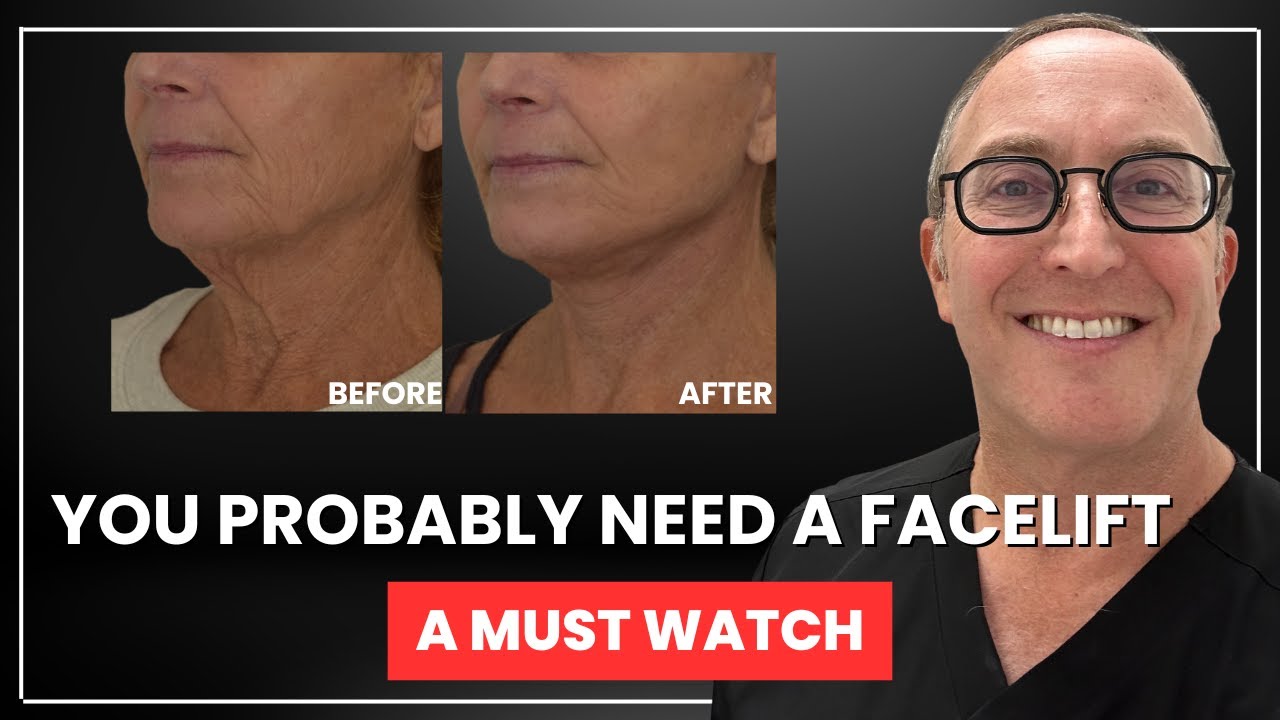
A facelift (rhytidectomy) redefines sagging skin, deep folds, and a lackluster jawline by:
- Tightening the underlying muscles and the SMAS layer
- Removing excess skin and reshaping fat
- Redraping skin for smoother, defined contours
- Customized for every face
- Lasting, youth-restoring results
8,633+ Facelifts Performed

What are the Different Types of Facelifts Offered at The Spiegel Center?
Deep Plane Facelift
Deep release of SMAS and connective tissues, neck muscle sculpting, vertical lift—for dramatic yet natural outcomes.

SMAS Facelift
Lifts and tightens the SMAS layer to enhance the jawline and reduce jowls. A classic approach for lower-face rejuvenation with natural, structured results and moderate recovery time.
Mini Facelift
Targeted lift using shorter incisions around the ear or hairline. Focuses on one area (cheeks, jawline, or neck) for subtle enhancement with less downtime and quicker recovery.
Ponytail-Effect Lift
A minimal-lift procedure using small sutures hidden in the scalp, no incisions in front of the ears. Mimics the natural tightening effect of a high ponytail for a refreshed, youthful appearance with virtually no downtime.
Why Choose The Spiegel Center for a Facelift in Boston?
Experience advanced, natural-looking facial rejuvenation with unmatched safety and long-lasting results:
- Double board-certified expertise (Plastic Surgery & Head & Neck Surgery)
- Leader in deep-plane/SMAS techniques and minimal‑scar lifts
- Over 1,200+ procedures annually with innovative recovery methods
- Recognized as Boston’s Top Doctors (Boston Magazine 2024–2025, Castle Connolly 2025)
- State-of-the-art & patient-centric care in Newton, MA









Are You a Facelift Candidate?
You might be a great candidate for a facelift in Boston if you're experiencing:
- Lower face and neck sagging
- Jowls or an undefined jawline
- Neck bands or loose neck skin
- Deep smile lines or a perpetual “tired” expression
- Typical candidates: 40s–70s, though younger or older may benefit depending on skin condition.

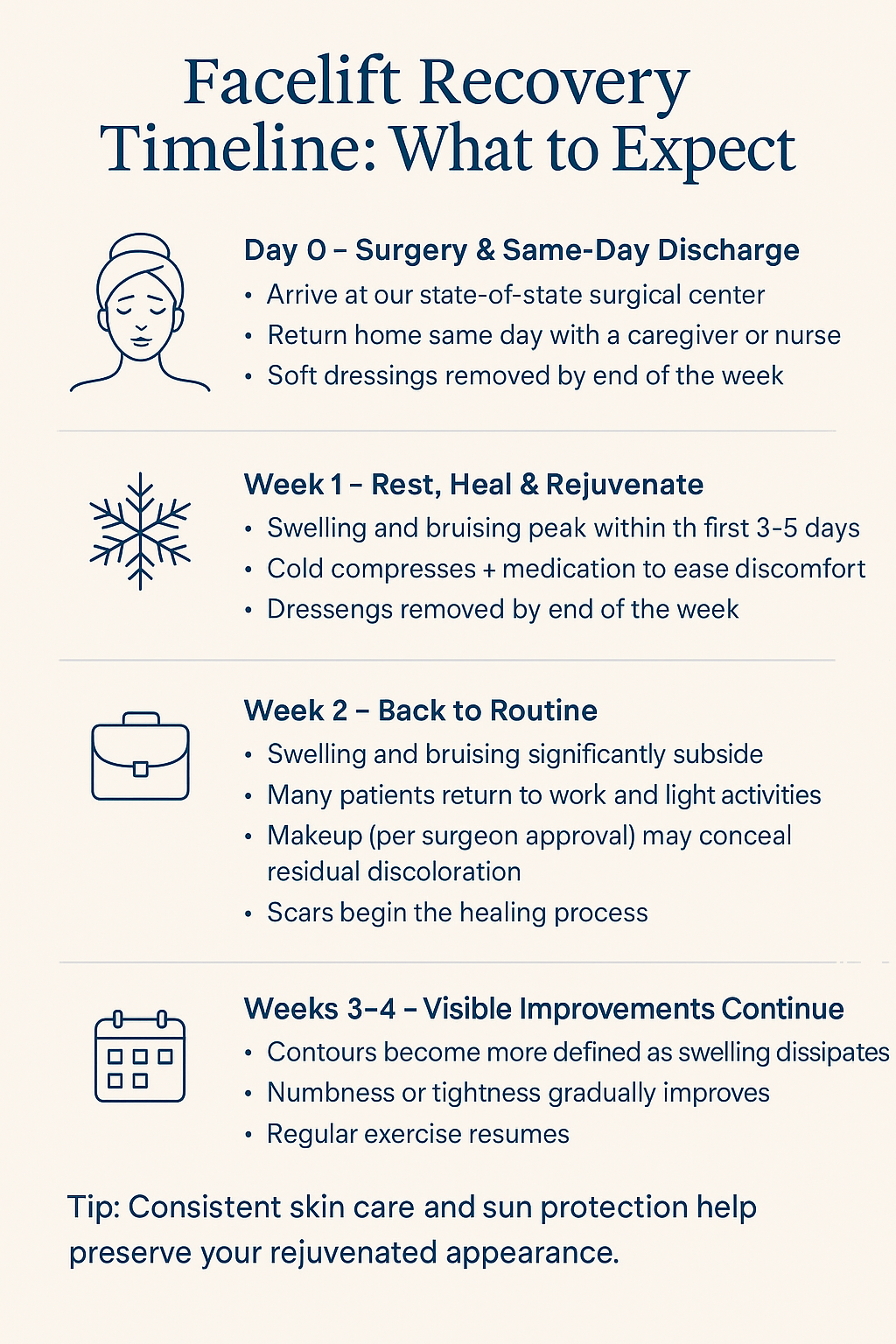
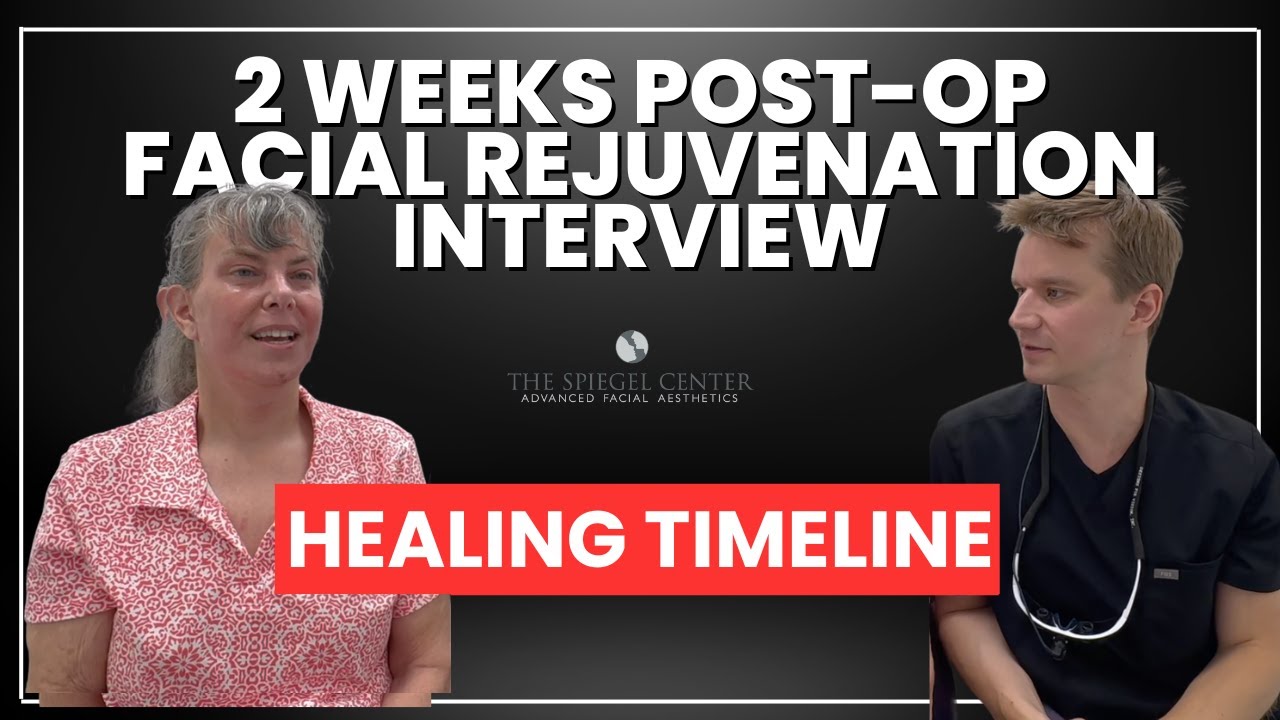
What is the Recovery Process After a Facelift Surgery?

Facelift FAQs
What Age Is Generally Recommended for a First Facelift?
There is no single ideal age, but many patients begin considering a facelift in their 40s to 60s, once jowling, neck laxity, or deep folds become noticeable. Younger patients with early sagging sometimes opt for a mini or ponytail-effect lift instead.
Can a Facelift Be Performed Under Local Anesthesia, or Is General Anesthesia Required?
Most traditional and deep plane facelifts are performed under general anesthesia or IV sedation for patient comfort during the several-hour procedure. However, more limited techniques, such as the ponytail lift, can sometimes be performed with local anesthesia and sedation.
How Do I Choose Between a Traditional Facelift and a Mini Facelift?
The choice depends on the degree of sagging present. A traditional facelift addresses more advanced jowling, neck laxity, and midface descent, while a mini facelift suits milder, earlier signs of aging with a shorter recovery.
Can a Facelift Be Combined With Skin Resurfacing Treatments?
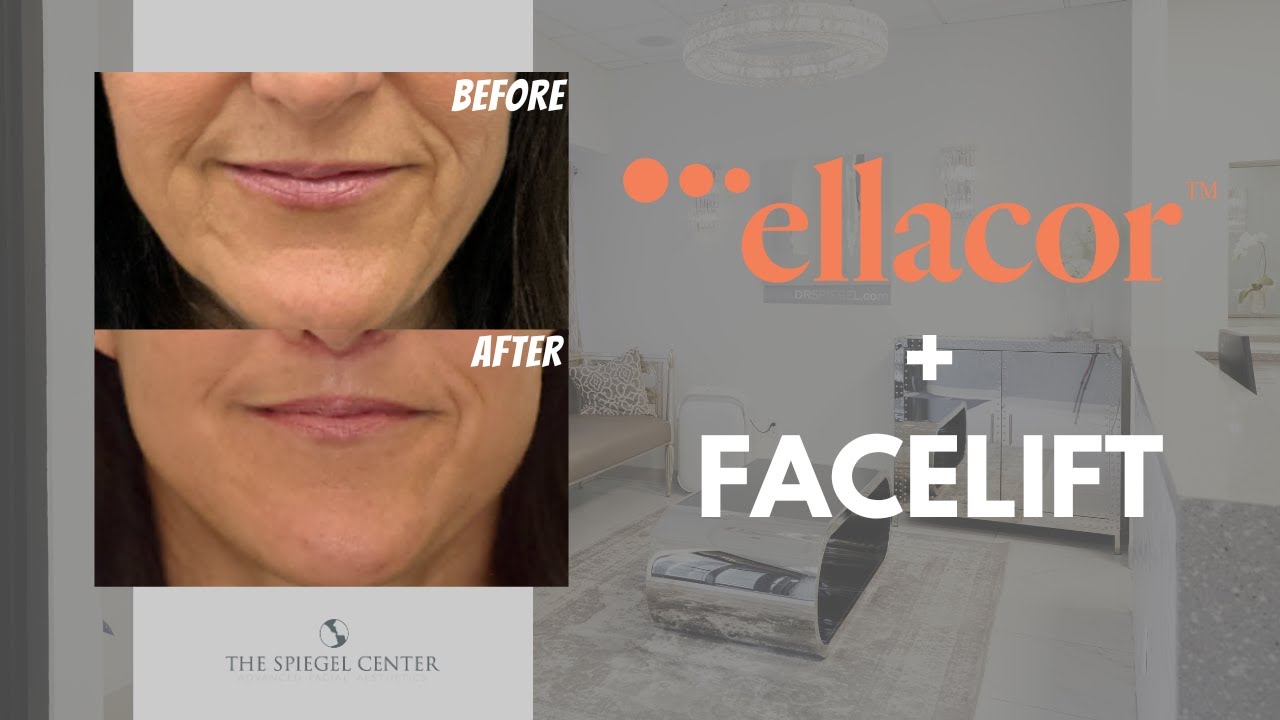
Yes. Many patients pair a facelift with CO2 laser resurfacing or other skin-quality treatments to address both structural sagging and surface-texture issues, as well as fine lines and sun damage, during a coordinated recovery period.
What Should I Look for When Choosing a Facelift Surgeon?
Board certification in facial plastic surgery or plastic surgery, extensive experience specifically with facelifts, and a portfolio of natural-looking, non-overdone results are key factors to evaluate during a consultation.
Can a Facelift Correct Hollow Under-Eyes or Sunken Cheeks on Its Own?
Not fully. A facelift primarily lifts and repositions sagging tissue rather than restoring lost volume, so many patients combine it with fat grafting or dermal fillers to address hollowing in the cheeks or under-eye area.
Will I Need a Follow-Up Procedure Years Later After a Facelift?
Facelift results are long-lasting, often 10 or more years, but the natural aging process continues afterward. Some patients choose a secondary lift or non-surgical maintenance treatments later in life to refresh results.
What Are the Risks and Side Effects of a Facelift?
Risks include bleeding, infection, and prolonged swelling or bruising. Less common risks include temporary or, rarely, permanent nerve weakness affecting facial movement, hair loss near the incisions, asymmetry, or unfavorable scarring, all of which are discussed in detail during consultation.
Related Reviews
Facelift
Source: Google Review, Valerie L., 07/13/2026
Where do I begin? I've been wanting to refresh my look for the past 5 years. The moment I walked into this state-of-the-art facility, I felt welcomed. Dr. Tower's skill, expertise, and genuine concern for patients gave me complete confidence throughout my treatment. He answered all my questions and reassured me that his techniques would deliver the results I was looking for. After reading over 100+ positive reviews about Dr. Tower, it was clear he was the doctor to revitalize my face. He listens, he's genuine, and he sets realistic expectations. I had multiple procedures done all at once. Deep Plane Facelift, upper and lower bleph, necklift, lateral eyebrow lift. And more. So this was a big day for all involved. The nurses and anesthesiologist were fantastic; they get a lot of credit for the support of Dr. Tower. But the best of the best is Cristina, my care coordinator; she made all of this a Fantastic Experience! Thank you, Dr. Tower, for your expertise, and thank you, Cristina, for being you!

Related Videos







Related Blog Posts

Introducing Junera at The Spiegel Center: A New Solution for Patients Caught Between Fillers and a Facelift
The Spiegel Center is Proud to be the First Practice in New England to Offer Junera™, a Minimally Invasive Subdermal Las...
Read More
Why Today’s Best Facelifts Don’t Look Like Facelifts
For decades, facelifts carried a certain stigma. Patients worried about looking “pulled,” overly tight...
Read More
Natural Facelift in Boston: How to Look Like Yourself—Just More Rested
If you’ve been searching for a natural facelift, you’ve probably noticed a pattern...
Read More
What Patients Are Actually Asking For This Year
If you’ve been wondering what cosmetic procedures are trending in 2026, the answer isn’t bigger, tighter, or more dramat...
Read More
The Real Fix for “Ozempic Face”: Inside Boston’s Most Sought-After Facelift Practice
If you’ve been hearing about “Ozempic Face” lately, you’re not alone...
Read More
Who Is the Best Facial Plastic Surgeon in the U.S.? Why The Spiegel Center Sets the Gold Standard.
In a world where your appearance is your signature, choosing the right facial plastic surgeon can mean the difference be...
Read More
Why You Should Avoid the Bargain Basement Facelift
If you’ve spent any time scrolling through TikTok or Instagram lately, you’ve probably seen offers for facelifts at shoc...
Read More
Want the Forever-35 Face? Why Boston Chooses Dr. Jeffrey Spiegel for Deep-Plane Facelifts
Look Timeless, Not DONE. What if you could look like yourself—just refreshed, glowing, and timeless—as if you never aged...
Read MoreChoosing The Best Plastic Surgeon for Your Facelift: 8 Questions You MUST Ask
A facelift is one of the most powerful procedures in facial aesthetics. It can smooth sagging skin, restore youthful con...
Read MoreThe Quiet Facelift: Discover the Secret to Effortless, Natural Rejuvenation in Boston
If you’ve ever considered a facelift but worried about looking overly “done,” you’re not alone…
Read More
The Rise in Menopause Makeovers: The New Wave of Ageless Beauty
Aging is a natural process, but let’s be honest—sometimes nature could use a little help…
Read More
The Future of Facial Plastic Surgery: Top Predictions for 2025 From Facial Plastic Surgeons
Facial plastic surgery is set to soar to new heights in 2025. With advancements in techniques and a growing focus on nat...
Read More
Facelift Surgery Redefined: Personalized Approaches You Need to Know About
Facelift surgery has long been the gold standard for facial rejuvenation, helping patients achieve a more youthful and r...
Read More
Is a Facelift Right for You? Unveiling the Ideal Candidate for a Lifted Look
At The Spiegel Center in Newton, Massachusetts, just outside of Boston, we frequently hear questions like, “Am I a good ...
Read More
Ready for a Lift? 10 Must-Knows Before Getting a Facelift
Facelift surgery can be a transformative experience—but don’t worry, we’re not here to make you look like someone else e...
Read More
The Secret to Looking Amazing: Cosmetic Procedures No One Will Ever Know You Had
Ever wondered how some people manage to look effortlessly refreshed, like they’ve been on the best vacation of their liv...
Read More
3 Types of Facelifts that Deliver Natural Results
When it comes to facial rejuvenation, many people in their 40s, 50s, and 60s consider a facelift to restore their youthf...
Read More
Mommy Makeover for the Face at The Spiegel Center
As a group of facial plastic surgeons and aesthetic injectors, we at The Spiegel Center know that the face is not the fi...
Read More
What Type of Facelift Will Benefit You The Most?
Our team of Facial Plastic Surgeons at The Spiegel Center understands the desire to maintain a refreshed, rejuvenated ap...
Read More
Would You Like a Facelift with that Ozempic?
By now, most Americans are familiar with the weight loss drugs that are flooding our media and medicine cabinets—they go...
Read More
5 things you need to know before getting a facelift!
There are many types of facelifts but all are really just variations on a common approach. The goal is to lift the tissu...
Read More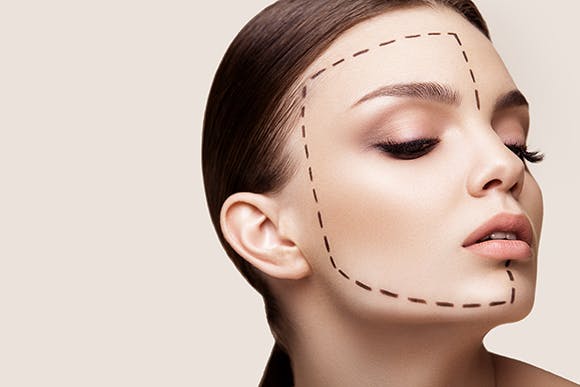
How a Facelift Can Shed Years Off of Your Face
When questioned about what concerns them most regarding their overall appearance, most adults in their late 30s, 40s and...
Read More