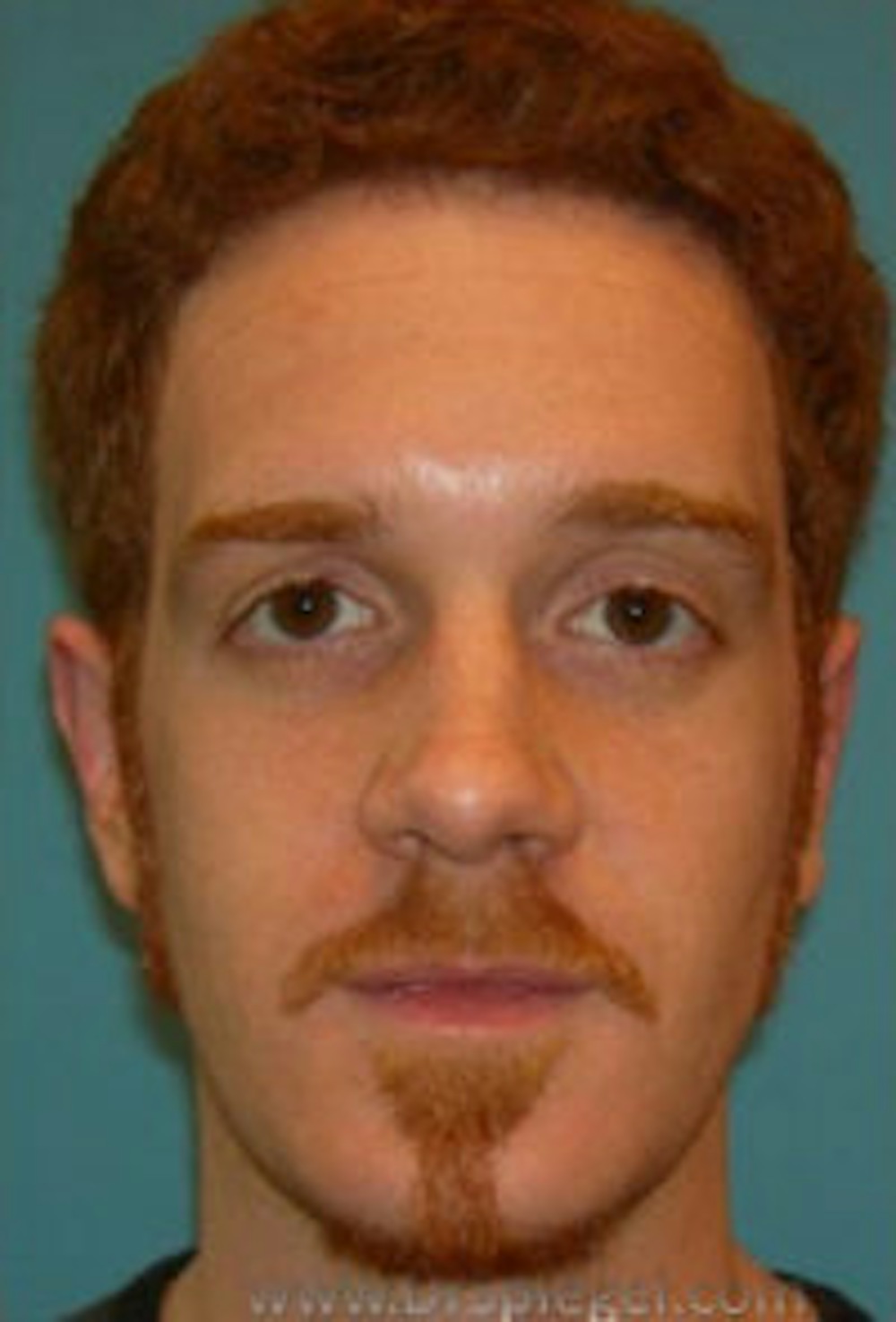
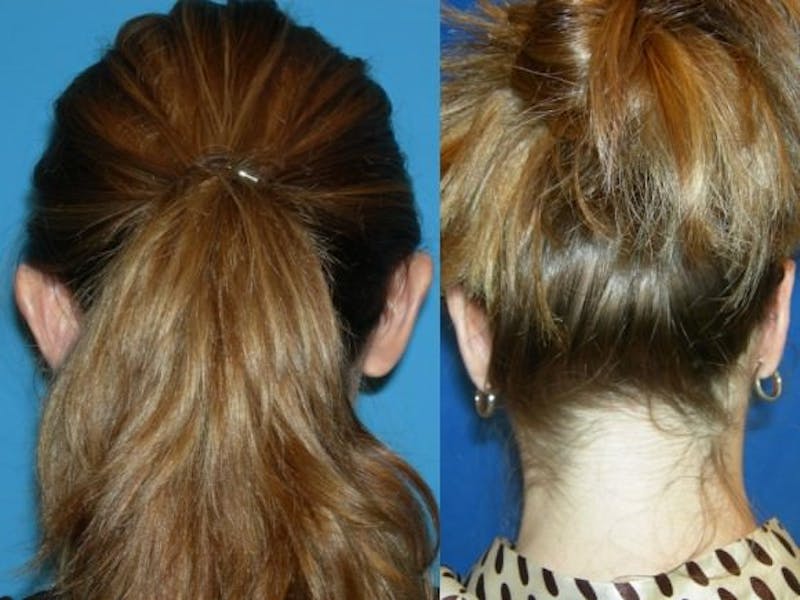
Prominent Ears Can Be Corrected

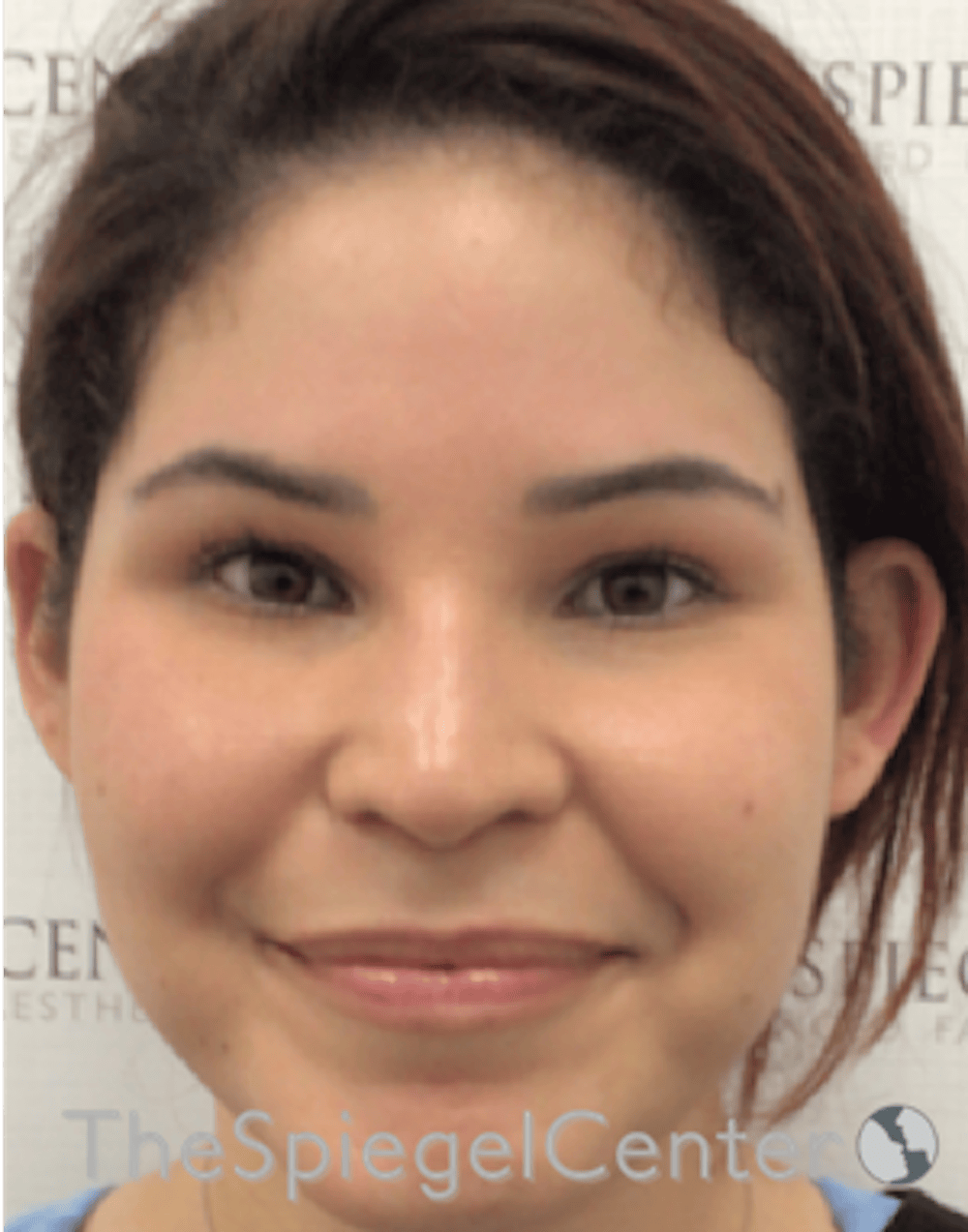
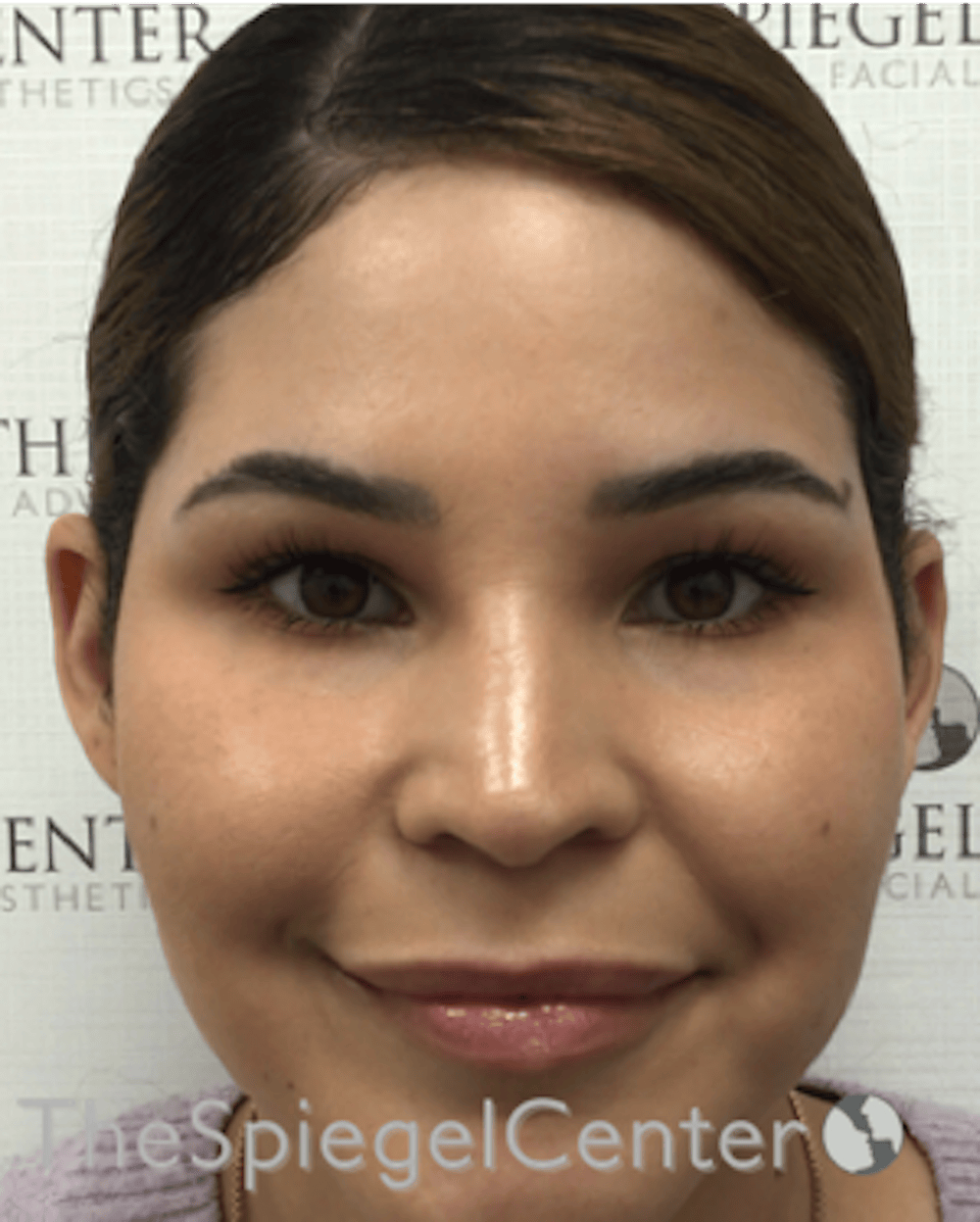
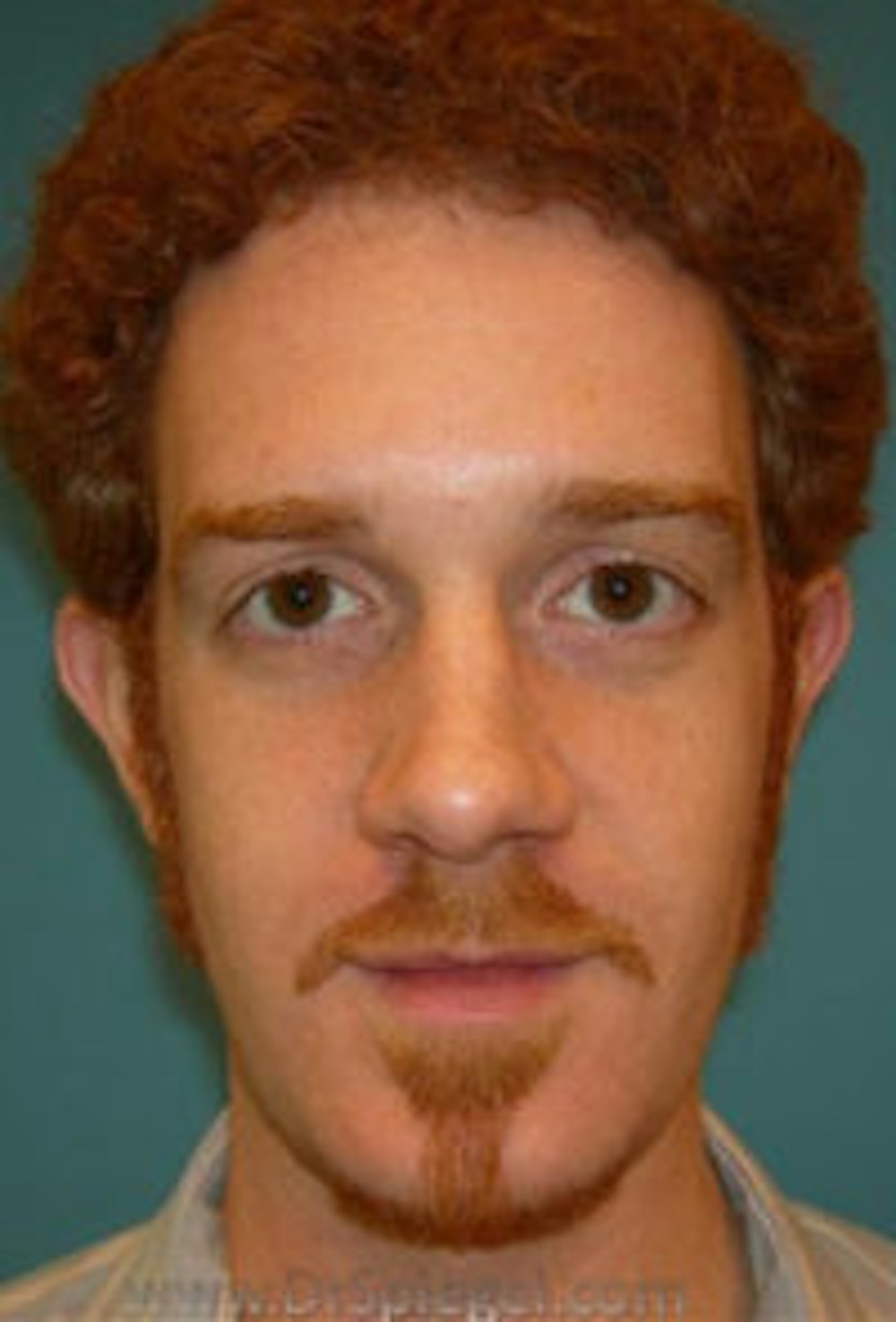
Otoplasty–also known as “ear pinning” surgery–can improve the appearance of large, protruding, misshapen, or overly noticeable ears. The medical term for overly protruding ears is prominauris. Ears can be reshaped, positioned closer to the scalp, or reduced in size. Often a combination of techniques achieves the most natural appearance. Patients love that after their ear pinning procedure, they can wear their hair up without worrying about their ears. Otoplasty is usually performed as an in-office procedure with local anesthesia, and recovery is minimal.

Intro media

Ear Surgery Overview

What Is Otoplasty / “Ear Pinning” Surgery?

Past ear trauma or your genetics might have you feeling self-conscious about your ears. Ear surgery, also known as otoplasty, is a corrective surgical procedure that can improve prominent, misshapen, deformed, or injured ears. Otoplasty is very safe and requires minimal downtime. It can also be performed on children as young as 6, saving them from a childhood of teasing.

Earlobe Repair And Rejuvenation

We treat an array of cosmetic ear issues in addition to prominauris. If you have a torn earlobe, stretched ear piercing, or gauge that you want closed, we can help. Have your ears changed over time? We’ve also got solutions for lobes that are too long, big, or thin. With an expert’s eye for detail, our physicians can ensure you regain confidence with an aesthetically pleasing appearance.

Background media

What Happens During The Procedure?

An in-depth consultation is the first step in the process. Once your goals have been shared with your doctor and you’ve undergone an exam, you will receive a custom surgical plan. The surgery can be done in The Spiegel Center’s state-of-the-art clinic and only requires local anesthesia.

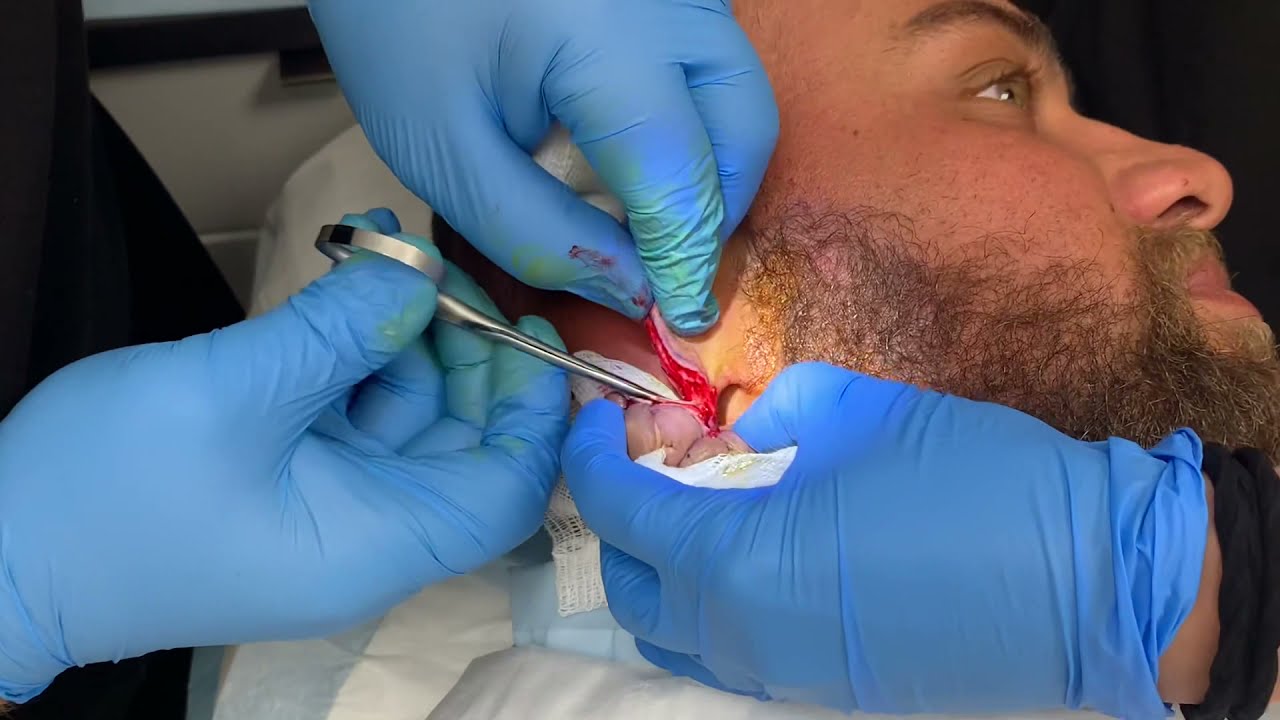
Small incisions are usually made in the naturally occurring ear creases behind the ear. Then, the ear is carefully reshaped and repositioned into an aesthetically pleasing and natural-looking form. The incisions are then closed and bandaged. The procedure usually takes less than one hour per ear.

What Is Recovery Like?

Recovery from otoplasty is relatively easy. Patients are asked to wear a protective headband over their ears as they heal. It is normal to experience some swelling and discoloration, but this typically abates in a week or less. Your surgeon will provide you with a detailed recovery plan that you should follow in order to ensure the smoothest healing process and best results possible.


Banner media
woman leaning on table with her hands nearing her face

Unparalleled Experience And Care At TSC

All surgeons at The Spiegel Center in Newton, Massachusetts, are board-certified and have years of experience. Our team has a consistent track record of creating natural-looking and aesthetically pleasing results for their patients, helping make their aesthetic dreams come true. To schedule a consultation about Otoplasty, contact our office today.

Ear Surgery (Otoplasty) FAQs

At What Age Can a Child Get Otoplasty?

Otoplasty can be performed on children as young as 6 years old, since the ear cartilage has largely finished developing by that age, allowing correction of prominent ears before a child starts school and potential teasing begins.

Does Otoplasty Affect Hearing?

No. Otoplasty reshapes the visible cartilage and structure of the outer ear and does not involve the ear canal or inner ear structures responsible for hearing.

Can Adults Get Otoplasty, or Is It Mostly for Children?

Adults are excellent candidates for otoplasty as well. Many adults choose the procedure later in life once they can decide for themselves, and the results are just as effective regardless of age.

Will My Ears Look Too "Pinned Back" or Unnatural After Otoplasty?

When performed by an experienced surgeon, the goal is a natural-looking correction that is proportionate to the head, avoiding the overly flattened or "pinned" look that can result from more aggressive, less individualized techniques.

Can Otoplasty Fix Ears That Are Different Sizes or Shapes From Each Other?

Yes. Otoplasty can be customized to address asymmetry between the two ears, whether due to genetics or prior trauma, so that the ears appear more balanced.

Is Otoplasty Performed on One Ear or Both?

Otoplasty can be performed on one or both ears, depending on the patient's concerns. Many patients choose to treat both ears at once for the most balanced, symmetrical outcome.

How Long Do Otoplasty Results Last?

Otoplasty results are considered permanent, since the cartilage is surgically reshaped and secured in its new position rather than only temporarily adjusted.

Can Otoplasty Correct Ears Damaged by Injury or Trauma?

Yes. In addition to prominent ears, otoplasty techniques can reconstruct or reshape ears affected by past injury, helping restore a more natural, symmetrical appearance.

Will I Need to Sleep in a Certain Position After Otoplasty?

Yes, patients are generally advised to sleep on their backs and avoid pressure on the ears while wearing a protective headband during the initial healing period to protect the results.

What Are the Risks and Side Effects of Otoplasty?

Risks include infection, bleeding, and temporary numbness in the ear. Less common risks include asymmetry between the two ears, overcorrection that leaves the ears looking too flat or "pinned," or a need for minor revision if cartilage shifts during healing.

Contact us media
Accessibility: If you are vision-impaired or have some other impairment covered by the Americans with Disabilities Act or a similar law, and you wish to discuss potential accommodations related to using this website, please contact our Accessibility Manager at 617-566-3223.
Contact Us