
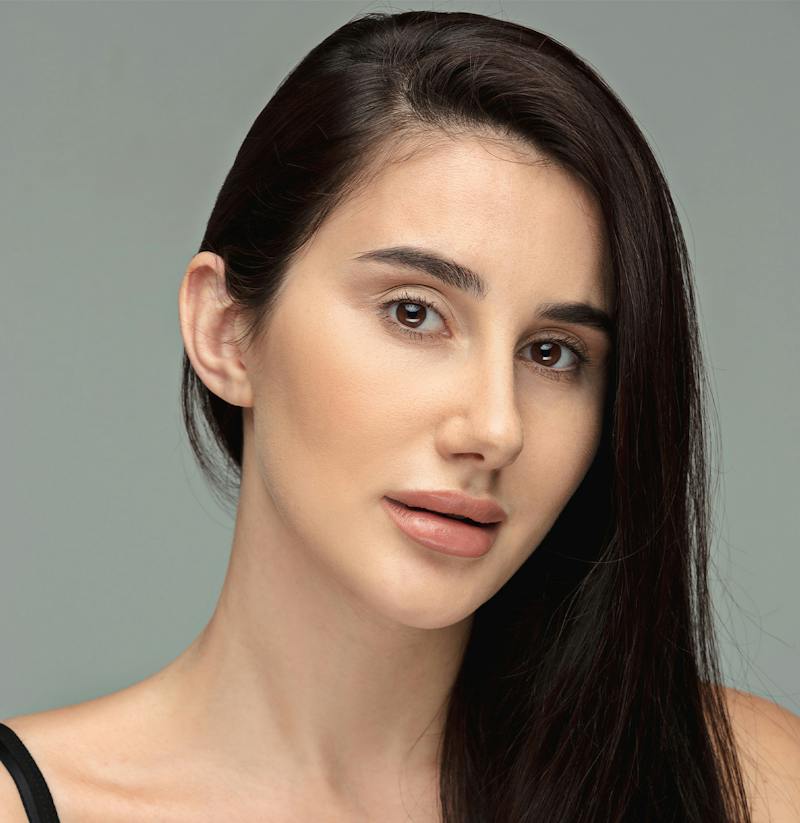
Tear trough filler and lower blepharoplasty are two different approaches to treating under-eye hollows, bags, and a tired-looking appearance. Tear trough filler may help restore volume beneath the eyes, while lower blepharoplasty addresses structural concerns such as prominent fat pads, under-eye bags, and excess skin. For patients with both puffiness and hollowing, lower blepharoplasty with fat repositioning may provide a more comprehensive, long-lasting improvement.
But which treatment is right for you?
At The Spiegel Center in Newton, Massachusetts, just outside Boston, our team offers advanced surgical and nonsurgical facial rejuvenation treatments tailored to each patient's unique anatomy. Double board-certified facial plastic surgeons Dr. Jeffrey Spiegel and Dr. Jacob Tower specialize in facial rejuvenation, including lower eyelid surgery, while our aesthetics team offers injectable treatments such as tear trough filler for appropriately selected patients.
Understanding the differences between these treatments is the first step toward achieving a brighter, smoother, more refreshed appearance.
What Causes Under-Eye Hollows and Bags?
The under-eye area is one of the first places where signs of aging can become noticeable. Even when you feel well-rested, hollow areas, dark shadows, or persistent puffiness can make you appear tired.
Under-eye hollows, medically known as tear trough deformities, are depressions that develop between the lower eyelid and upper cheek. These indentations can create shadows that contribute to the appearance of dark circles.
Several factors can cause or worsen under-eye hollows:
- Facial volume loss: As we age, changes in facial fat and bone structure can make the area beneath the eyes appear more sunken.
- Genetics: Some individuals naturally have deeper tear troughs, even at a young age.
- Prominent under-eye fat pads: Fat beneath the eyes can become more noticeable, creating puffiness and shadows.
- Decreased skin elasticity: Aging skin loses collagen and elasticity, contributing to changes in lower eyelid contour.
- Changes in cheek volume: Volume loss in the midface can make the transition between the lower eyelid and cheek more pronounced.
While under-eye hollows and bags frequently occur together, they are not the same concern.
Under-eye hollows are generally associated with depressed contours or volume loss, while under-eye bags often involve prominent fat pads, fluid retention, or loose skin.
This distinction is important because the most effective treatment depends on what is actually causing the appearance of the under-eye area.
What Is Tear Trough Filler?
Tear trough filler is a nonsurgical cosmetic treatment that uses injectable dermal filler, typically made with hyaluronic acid, to add volume beneath the eyes and soften the transition between the lower eyelid and cheek.
When performed in an appropriate candidate, tear trough filler can reduce the appearance of hollowing and the shadows it creates.
Rather than changing the structure of the lower eyelid, filler works by adding volume to selected areas.
Benefits of Tear Trough Filler
For carefully selected patients, potential benefits include:
- Nonsurgical treatment without incisions
- Minimal downtime compared with surgery
- Improvement in mild to moderate under-eye hollows
- Smoother transitions between the lower eyelids and cheeks
- Subtle, natural-looking volume enhancement
- Temporary results without committing to a surgical procedure
Tear trough filler can be particularly appealing to patients who have noticeable hollowing but relatively smooth lower eyelids without significant puffiness or loose skin.
Who Is a Good Candidate for Tear Trough Filler?
Tear trough filler may be appropriate for patients who have:
- Mild to moderate volume-related under-eye hollows
- Good lower eyelid skin elasticity
- Minimal under-eye bags or puffiness
- Dark shadows caused primarily by hollowing
- A preference for nonsurgical treatment
However, the delicate under-eye region is not suitable for filler in every patient.
Individuals with prominent under-eye bags, significant skin laxity, existing puffiness, or a tendency to retain fluid may not achieve the results they want from filler alone.
In some cases, adding filler can actually make the under-eye area appear fuller or more swollen.
How Long Does Tear Trough Filler Last?
Tear trough filler results vary depending on the product, individual anatomy, and how the body processes hyaluronic acid.
Some patients experience improvement lasting approximately 6 to 18 months, while filler can persist considerably longer in the under-eye region.
Because existing filler may remain present even after its initial cosmetic effect changes, repeat injections should always be based on an individualized evaluation.
Is Tear Trough Filler Safe?
Tear trough filler requires careful patient selection and precise injection technique.
Potential side effects include bruising, swelling, tenderness, visible irregularities, prolonged puffiness, and a bluish discoloration sometimes called the Tyndall effect.
Rare but serious complications can include vascular occlusion, tissue injury, and vision loss.
These risks are among the reasons why choosing an experienced, qualified injector with detailed knowledge of facial anatomy is particularly important.
At The Spiegel Center, our aesthetic team, led by Dr. Onir, takes an individualized approach to injectable treatments and facial balancing, with an emphasis on appropriate treatment selection and natural-looking results.
What Is Lower Blepharoplasty?
Lower blepharoplasty, also known as lower eyelid surgery or eye bag surgery, is a surgical procedure designed to improve the contour of the lower eyelids by addressing prominent fat pads, under-eye bags, and, when appropriate, excess skin.
Unlike tear trough filler, which adds volume to an area, lower blepharoplasty can address the underlying anatomical changes responsible for puffiness and uneven contours.
For patients with significant under-eye bags or a combination of puffiness and hollowness, lower blepharoplasty may provide a more effective and longer-lasting solution.
At The Spiegel Center near Boston, Dr. Jeffrey Spiegel and Dr. Jacob Tower evaluate each patient's lower eyelid anatomy, skin quality, fat distribution, and overall facial proportions to develop a personalized surgical plan.
How Does Lower Blepharoplasty Work?
Lower blepharoplasty is not a one-size-fits-all procedure.
Depending on the patient's anatomy, lower eyelid surgery may involve:
- Fat repositioning: Existing lower eyelid fat is redistributed to help smooth hollow areas and improve the transition between the lower eyelid and cheek.
- Conservative fat removal: Excess fat may be carefully removed when appropriate to reduce prominent under-eye bags.
- Excess skin removal: Loose or redundant lower eyelid skin may be addressed to create a smoother appearance.
- Lower eyelid support: Additional techniques may be used when necessary to help maintain proper eyelid position.
Some patients are candidates for a transconjunctival lower blepharoplasty, which involves an incision inside the lower eyelid. This approach avoids a visible external skin incision and may be appropriate when the primary concern involves lower eyelid fat.
Other patients may benefit from an incision beneath the lower eyelashes, particularly when excess skin also needs to be addressed.
The best surgical technique depends on the patient's individual anatomy and treatment goals.
Benefits of Lower Blepharoplasty
Lower blepharoplasty can offer several potential advantages:
- Long-lasting improvement in under-eye bags
- Smoother lower eyelid contours
- Reduction in shadows caused by prominent fat pads
- Improvement in certain types of under-eye hollowing
- Removal of excess lower eyelid skin when appropriate
- More balanced transitions between the lower eyelids and cheeks
- Natural-looking facial rejuvenation
Unlike injectable filler, lower blepharoplasty can directly address structural changes that contribute to the appearance of aging beneath the eyes.
Tear Trough Filler vs. Lower Blepharoplasty: Which Is Better?
The primary difference between tear trough filler and lower blepharoplasty is the concern each treatment is designed to address.
|
Feature |
Tear Trough Filler |
Lower Blepharoplasty |
|
Treatment type |
Nonsurgical injectable |
Surgical procedure |
|
Primary purpose |
Add volume to selected hollow areas |
Address fat distribution, bags, and excess skin |
|
Best candidates |
Mild to moderate volume-related hollows |
Prominent bags, structural changes, or excess skin |
|
Downtime |
Usually minimal |
Often 10–14 days of initial social recovery |
|
Results |
Often visible shortly after treatment |
Improve as postoperative swelling resolves |
|
Longevity |
Temporary, sometimes persisting longer than expected |
Often many years |
|
Removes excess skin |
No |
Yes, when indicated |
|
Addresses prominent fat pads |
No |
Yes |
|
Anesthesia |
Usually topical or local measures |
Depends on the surgical plan |
If your primary concern is under-eye hollowing caused by volume loss, filler may be appropriate. If your concern involves prominent under-eye bags, displaced fat, or excess skin, lower blepharoplasty may be the better treatment.
Neither approach is universally superior. The most important factor is identifying the anatomical cause of the concern.
Can Lower Blepharoplasty Fix Under-Eye Hollows Without Filler?
Yes. In certain patients, lower blepharoplasty can improve under-eye hollows without requiring dermal filler.
One of the techniques used in lower eyelid rejuvenation is fat repositioning.
Rather than simply removing prominent under-eye fat, the surgeon may redistribute existing fat into the depressed area beneath the lower eyelid.
This can help smooth the transition between the lower eyelid and cheek while reducing the contrast between puffiness and hollowing.
For patients who have both under-eye bags and a pronounced tear trough, fat repositioning may offer a more comprehensive improvement than filler alone.
Importantly, preserving and repositioning fat when appropriate can help avoid an excessively hollow appearance.
An Expert Perspective on Under-Eye Rejuvenation
"One of the most important things patients should understand is that under-eye hollows and under-eye bags are not the same problem. Sometimes the appearance of hollowing is actually caused by the way the fat beneath the eyes creates shadows. In those cases, adding filler isn't necessarily the best solution. By carefully repositioning existing fat during lower blepharoplasty, we may be able to create a smoother, more natural transition between the lower eyelid and cheek."
— Dr. Jeffrey Spiegel, Double Board-Certified Facial Plastic Surgeon, The Spiegel Center
When Can Tear Trough Filler Make Under-Eye Bags Worse?
Although tear trough filler can be effective for certain patients, it is not always the best treatment for under-eye puffiness.
Hyaluronic acid fillers attract and retain water, which can contribute to swelling in the delicate under-eye region.
Patients who already have prominent fat pads, fluid retention, or loose skin may experience additional fullness after filler injections.
Other potential concerns include:
- Persistent under-eye swelling
- Visible filler irregularities
- A puffy or overfilled appearance
- Bluish discoloration beneath thin skin
- Changes in the appearance of the lower eyelid-cheek transition
This is one reason why a comprehensive evaluation is important before choosing filler.
In some cases, patients who initially consider tear trough filler may be better candidates for lower blepharoplasty or another treatment approach.
Can You Have Lower Blepharoplasty After Tear Trough Filler?
Yes. Having previously received tear trough filler does not automatically prevent someone from undergoing lower blepharoplasty.
However, existing filler can affect the appearance and anatomy of the under-eye region.
Because hyaluronic acid filler may persist longer than expected, your surgeon may need to evaluate whether residual filler is present before developing a surgical plan.
In some cases, dissolving existing filler before surgery may be recommended to allow for a more accurate assessment of the underlying anatomy.
Not every patient needs filler dissolved before lower blepharoplasty. The decision depends on the amount and location of the filler, the patient's symptoms, and the planned surgical technique.
If you've previously received under-eye filler, it's important to discuss your treatment history during your consultation.
Does Lower Blepharoplasty Help Dark Circles?
Lower blepharoplasty may improve certain types of dark circles, but the results depend on what causes the discoloration.
Dark circles are not always caused by pigmentation. In many patients, shadows created by under-eye bags or hollowing contribute to a darker appearance.
When dark circles are primarily caused by structural contour changes, lower blepharoplasty with appropriate fat management may reduce the shadows and create a smoother appearance.
However, surgery does not directly correct every cause of under-eye discoloration.
For example:
- Dark circles from hollowing: Filler or surgical fat repositioning may help selected patients.
- Dark circles from prominent bags: Lower blepharoplasty may reduce the shadows responsible for the darker appearance.
- Dark circles from pigmentation: Treatments directed at skin discoloration may be more appropriate.
- Dark circles from thin skin or visible blood vessels: Other approaches may be needed.
Determining the cause of dark circles is essential to selecting the right treatment.
Lower Blepharoplasty vs. Upper Blepharoplasty: What's the Difference?
Although both procedures fall under the category of eyelid surgery, upper and lower blepharoplasty address different concerns.
Upper blepharoplasty primarily focuses on the upper eyelids and may involve removing excess skin and, when appropriate, addressing fat that contributes to upper eyelid heaviness or puffiness.
Lower blepharoplasty focuses on the area beneath the eyes, addressing concerns such as prominent under-eye bags, lower eyelid fat distribution, and excess lower eyelid skin.
Some patients benefit from combining upper and lower blepharoplasty for more comprehensive eye rejuvenation.
At The Spiegel Center, our facial plastic surgeons evaluate the upper and lower eyelids together to determine which approach will best complement the patient's natural facial features.
How Long Does Lower Blepharoplasty Last?
Lower blepharoplasty can provide long-lasting improvement, often for many years.
Because the procedure addresses structural concerns such as prominent fat pads and lower eyelid contour, the results generally last longer than those of temporary injectable treatments.
However, lower blepharoplasty does not stop the natural aging process.
Over time, skin elasticity, facial volume, and surrounding tissues can continue to change.
The longevity of results depends on factors including anatomy, surgical technique, aging, and individual healing.
What Is Recovery Like After Lower Blepharoplasty?
Recovery after lower blepharoplasty varies depending on the surgical approach and whether additional procedures are performed.
Patients commonly experience swelling, bruising, and temporary tightness around the eyes during the initial healing period.
Many patients feel comfortable returning to some normal daily activities within approximately 10 to 14 days, although residual swelling may continue to improve over the following weeks and months.
Your surgeon will provide individualized postoperative instructions, including recommendations regarding activity restrictions, eye care, and follow-up visits.
Final results develop gradually as the tissues heal and swelling resolves.
Why Choose The Spiegel Center for Under-Eye Rejuvenation in Boston?
When considering tear trough filler or lower blepharoplasty, choosing a team with extensive experience in facial anatomy and rejuvenation is especially important.
The lower eyelids are among the most delicate areas of the face, and even subtle changes in volume, fat distribution, or skin position can significantly affect facial expression.
At The Spiegel Center in Newton, MA, our approach focuses on achieving natural-looking results that complement each patient's individual features.
Expertise in Facial Plastic Surgery
Dr. Jeffrey Spiegel is a double board-certified facial plastic surgeon recognized for his expertise in facial aesthetics and rejuvenation. He has been named a Castle Connolly Top Doctor for more than two decades and has received numerous professional honors, including a Lifetime Achievement Award at The Aesthetic Awards in 2026.
Dr. Jacob Tower, also a double board-certified facial plastic surgeon, specializes in facial plastic surgery procedures, including eyelid surgery, rhinoplasty, and facial rejuvenation.
Our surgical team considers not only the lower eyelids but also the relationship between the eyes, cheeks, and surrounding facial structures.
Surgical and Nonsurgical Options
Unlike practices that focus exclusively on injectable treatments or surgery, The Spiegel Center offers a range of facial rejuvenation options.
Our aesthetics team, led by Dr. Onir, provides nonsurgical treatments, including dermal fillers and facial balancing, while our facial plastic surgeons offer advanced surgical approaches.
This allows patients to explore treatment recommendations based on their anatomy, concerns, and goals.
Personalized Consultations for Boston and Beyond
The Spiegel Center welcomes patients from Newton, Boston, Brookline, Cambridge, Wellesley, Needham, and surrounding Massachusetts communities, as well as patients traveling nationally and internationally.
In-person and virtual consultations are available to help patients explore their options for facial rejuvenation.
Frequently Asked Questions About Tear Trough Filler and Lower Blepharoplasty
Is lower blepharoplasty better than tear trough filler?
Lower blepharoplasty may be more effective for patients with prominent under-eye bags, excess skin, or structural changes involving lower eyelid fat. Tear trough filler may be appropriate for selected patients with mild to moderate volume-related hollowing. The best treatment depends on individual anatomy.
What is the best treatment for under-eye hollows?
The best treatment depends on the cause of the hollows. Tear trough filler may help replace lost volume, while lower blepharoplasty with fat repositioning may improve hollows associated with prominent fat pads. Some patients may benefit from other facial volume-restoration approaches.
Can lower blepharoplasty fix sunken eyes?
Lower blepharoplasty may improve certain types of under-eye hollowing, particularly when fat repositioning can smooth the transition between the lower eyelid and cheek. However, not all causes of a sunken appearance can be corrected with lower eyelid surgery.
Can tear trough filler remove under-eye bags?
Tear trough filler does not remove under-eye bags. It may camouflage selected contour differences, but it can also worsen puffiness in some patients. Lower blepharoplasty may be more appropriate when prominent fat pads are the primary concern.
Does lower blepharoplasty get rid of dark circles?
Lower blepharoplasty may improve dark circles caused by shadows from prominent under-eye bags or hollowing. It does not directly treat pigmentation or all forms of discoloration.
How long does tear trough filler last?
Tear trough filler may last approximately 6 to 18 months or longer, depending on the product and patient. In some cases, hyaluronic acid filler persists for years, making careful evaluation important before repeat treatment.
Is lower blepharoplasty permanent?
Lower blepharoplasty typically provides long-lasting structural improvement, often for many years. However, the natural aging process continues, and future changes in skin elasticity and facial tissues may affect the appearance of the lower eyelids.
What age should you consider lower blepharoplasty?
There is no specific age requirement for cosmetic lower blepharoplasty. Some patients develop hereditary under-eye bags in early adulthood, while others notice changes later in life. Candidacy depends on anatomy, health, and aesthetic goals rather than age alone.
Can you get lower blepharoplasty if you've already had filler?
Yes, many patients with a history of under-eye filler can still be candidates for lower blepharoplasty. Your surgeon should evaluate any existing filler and determine whether it needs to be addressed before surgery.
How much does lower blepharoplasty cost in Boston?
Lower blepharoplasty pricing varies based on the surgical technique, procedure complexity, anesthesia, facility fees, and whether additional procedures are performed. At The Spiegel Center, an individualized consultation allows our team to evaluate your concerns and discuss appropriate treatment options and pricing.
How much does tear trough filler cost in Boston?
Tear trough filler pricing depends on the filler selected, the amount needed, and the patient's treatment plan. Because not everyone is a suitable candidate for under-eye filler, a consultation is important before determining the appropriate treatment and cost.
Discover the Best Treatment for Your Under-Eye Hollows at The Spiegel Center
If you're bothered by hollow under eyes, persistent bags, or dark shadows that make you look tired, you don't have to guess which treatment is right for you.
At The Spiegel Center near Boston, our team offers individualized facial rejuvenation treatments, including lower blepharoplasty and nonsurgical dermal fillers, designed to address the underlying causes of under-eye concerns.
Whether you're considering tear trough filler for subtle volume enhancement or lower eyelid surgery for more significant structural changes, our goal is to help you achieve a refreshed, natural-looking appearance.
Schedule your consultation at The Spiegel Center in Newton, Massachusetts, to discover which treatment may be best suited to your needs.
Call 617-566-3223 to speak with our team and schedule an in-person or virtual consultation.
You deserve to be at the center — The Spiegel Center.