
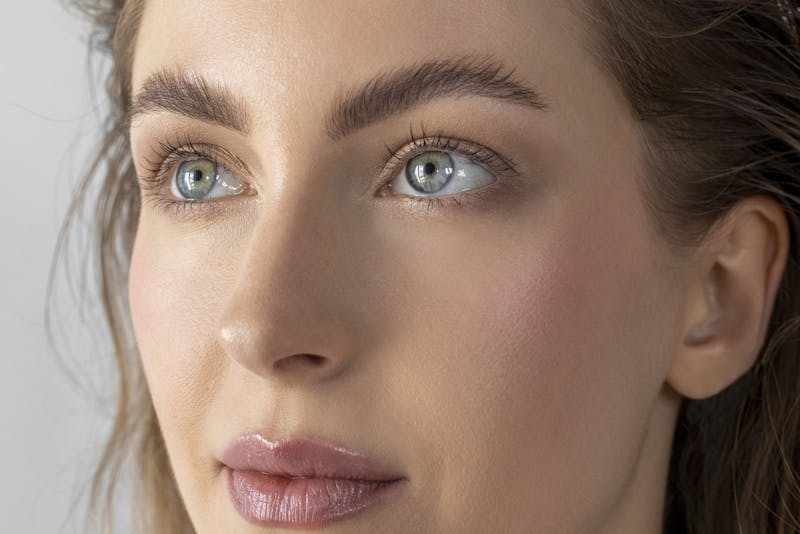
If you’ve ever caught your profile in a photo and thought, “Wait… has my nose always looked like that?”—you’re not imagining things. The nose can change gradually over time, and for many people those changes become more noticeable in their 40s, 50s, and beyond.
At The Spiegel Center in Boston, we meet many patients who aren’t looking for a brand-new nose. They’re looking for a refined, balanced, natural-looking result—often with the added benefit of breathing more easily. If you’re researching rhinoplasty, this is the kind of thoughtful, “still looks like you” approach most adults are actually looking for.
So let’s talk about why rhinoplasty later in adulthood is more common than most people realize, what’s different about planning it, and what you should know before scheduling a consultation.
Does your nose actually change as you get older?
Yes—often subtly, sometimes not-so-subtly.
Common changes we see include:
- The nasal tip can droop as support structures relax over time
- The nose can appear longer or heavier, especially at the tip
- Skin can become a bit thicker and less elastic
- Prior injury (even from years ago) can “show up” more as tissues change
- Breathing issues can worsen due to structural shifts (like septal deviation or nasal valve narrowing)
It’s completely normal to start searching questions like:
- “Why is my nose drooping as I get older?”
- “Can rhinoplasty lift the tip of my nose?”
- “Is it too late to get a nose job?”
- “Does rhinoplasty help breathing?”
Why rhinoplasty in your 40s+ is often about refinement (not reinvention)
Most patients in this life stage aren’t trying to look like someone else. The goal is typically:
- Restore balance to the face
- Create a result that looks undetectable (as in: “You look great,” not “You did something.”)
- Address functional concerns like nasal obstruction
It’s less about dramatic change and more about thoughtful adjustments:
- Supporting or subtly rotating the tip
- Smoothing a bump while keeping the nose natural to the face
- Refining width or definition without making the nose look “operated”
- Correcting internal structure so breathing improves
Dr. Jeffrey Spiegel and Dr. Tower plan rhinoplasty with this exact principle in mind: structure first, refinement second—because support is what keeps a nose looking natural not just early on, but long-term.
Can rhinoplasty help breathing?
It can—when breathing issues are coming from anatomy.
Many patients are surprised to learn their “always-stuffy” nose isn’t just allergies. During a rhinoplasty consultation, we evaluate the internal nasal structures that can affect airflow, including:
- A deviated septum
- Turbinate enlargement
- Nasal valve collapse (a common contributor to obstruction, especially with exercise or while sleeping)
When cosmetic goals and breathing goals need to be addressed together, the procedure is often called a septorhinoplasty. The point isn’t the label—it’s that form and function should be planned together so the nose both looks right and works right.
Can you combine rhinoplasty with other facial procedures?
Sometimes—yes, and it can be very synergistic when planned well.
If someone is also considering facial rejuvenation, the conversation may include:
- Eyelid surgery (blepharoplasty)
- A neck lift or facelift
- Chin enhancement (surgical or non-surgical) to improve profile harmony
This doesn’t mean everyone needs “a whole thing.” It just means your surgeon should evaluate the entire face—because rhinoplasty is about facial proportions, not just the nose.
And for the right patient, non-surgical refinement can also play a role. Dr. Onir Spiegel (our injector) often helps patients think through complementary options like strategic BOTOX or filler in a way that stays subtle and proportional—especially when someone is early in the decision process or building a comprehensive plan.
Is rhinoplasty “harder” later in life?
Not necessarily harder—but it should be more thoughtfully planned.
A few important differences:
- Skin may be less elastic, which can influence how the nose redrapes
- Structural support matters even more (especially tip support and nasal valves)
- Many patients prioritize natural results over extreme changes
- Functional breathing concerns are more likely to be part of the plan
What about recovery? How long before you look “normal”?
In general:
- Most people feel “public-ready” in 10–14 days (swelling and bruising varies)
- Swelling improves steadily over the first 6–12 weeks
- Subtle refinement continues for months (especially at the tip)
Often the best feedback patients get is, “You look rested,” or “Something looks really good… I can’t place it.”
Wondering if you’re a good fit?
- Notice tip droop, profile heaviness, or changes over time
- Have longstanding concerns you never addressed
- Have trouble breathing through your nose
- Want a result that’s subtle and natural, not “done”
Quick FAQs (Because These Are the Questions People Actually Ask)
Is it too late to get rhinoplasty?
In most healthy adults, age alone isn’t the deciding factor. Anatomy, goals, and overall health matter far more.
Can rhinoplasty fix a droopy nasal tip?
In many cases, yes—especially when the plan focuses on restoring support rather than over-reducing the nose.
Will rhinoplasty improve breathing?
If obstruction is caused by structural issues (like a deviated septum or nasal valve narrowing), surgery can often improve airflow as part of the plan.
What’s a septorhinoplasty?
It’s a combined approach that addresses both appearance and internal nasal structure in one surgical plan.
A Natural, Balanced Approach at The Spiegel Center
At The Spiegel Center, our rhinoplasty philosophy is simple: support first, refinement second, and results that look like you. Whether your goal is improved breathing, a more balanced profile, or correcting changes you’ve noticed over time, the plan should be customized—not cookie-cutter.
Ready to talk it through? Book an appointment today.