Improve Your Quality Of Life 

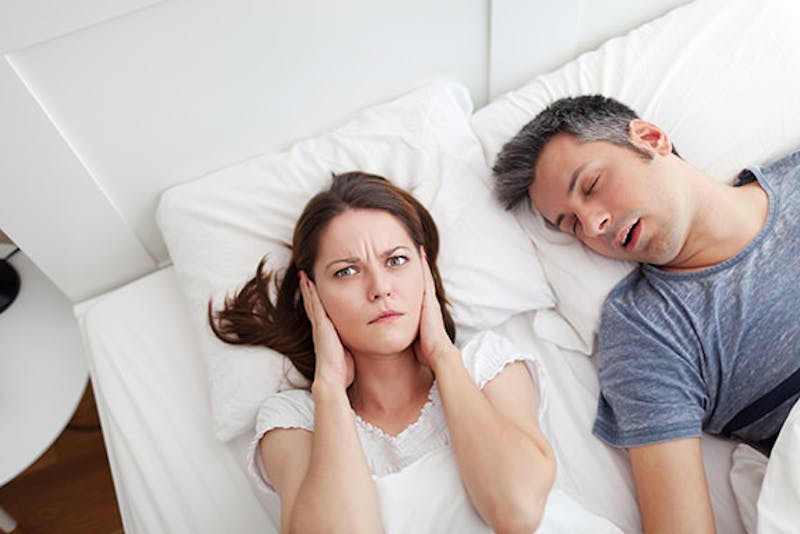
Snoring is an unpleasant sound that typically emanates from vibration of the palate and uvula in the back of the throat, which can sometimes be loud enough to wake up others, even in an adjacent room! Patients who suffer from chronic snoring may have sleep or respiratory problems that prevent them from getting a full night’s rest.

Intro media

Snoring Relief Overview

woman smiling and laying on bed

Your Snoring Consultation

There are many considerations when evaluating a patient for snoring.  Are they sleeping well themselves? Do they stop breathing during the night? Do they snore every night or just occasionally? Our double-board-certified surgeons have expertise in throat surgery. After a full evaluation, our surgeons can typically identify the cause of a patient’s snoring or other sleep disturbance. 

Contact The Spiegel Center Today

Are you ready to reduce your snoring, improve your sleep, and make your bed partner happy? Call The Spiegel Center in Newton, Massachusetts for an appointment to learn how you can make snoring a thing of the past.

Snoring Relief FAQs

What Are the Most Common Causes of Chronic Snoring?

Snoring often results from vibration of soft tissue in the throat, including the soft palate, uvula, and tongue base. It can be worsened by nasal obstruction, excess throat tissue, or the jaw's position during sleep.

What Is the Palatal Implant System, and How Does It Help With Snoring?

This treatment involves placing small implants into the soft palate to stiffen the tissue and reduce the vibration that causes snoring, offering an option for patients whose snoring originates primarily from palate movement.

Is Snoring Surgery the Same as Sleep Apnea Treatment?

Not necessarily. Snoring surgery targets the tissue vibration that causes the noise. At the same time, sleep apnea involves actual pauses in breathing and may require a broader evaluation and a different treatment approach, sometimes including a sleep study.

Do I Need a Sleep Study Before Snoring Treatment?

A sleep study may be recommended to determine whether snoring is an isolated issue or associated with sleep apnea, since this distinction affects which treatment approach is most appropriate.

Can a Deviated Septum Contribute to Snoring?

Yes. Reduced airflow from a deviated septum can worsen snoring, which is why nasal breathing is often evaluated alongside throat-based causes during a snoring consultation.

Does Insurance Cover Snoring Treatment?

Coverage often depends on whether snoring is linked to a diagnosed medical condition, such as sleep apnea, so it's worth confirming with your insurance provider based on your specific evaluation and diagnosis.

How Long Does Recovery Take After Palatal Implant Placement?

This is generally an in-office procedure with a short recovery, and most patients experience only mild throat discomfort for a few days afterward.

Can Weight Loss or Lifestyle Changes Reduce Snoring Without Surgery?

Yes, for some patients, weight loss, sleeping on one's side, and reducing alcohol before bed can lessen snoring. However, structural causes like excess palate tissue or nasal obstruction typically require a procedural solution.

Will My Snoring Return After Treatment?

Results vary depending on the underlying cause and treatment used, and some patients may need a touch-up or a different approach if snoring returns gradually, particularly if it stems from more than one contributing factor.

Does Snoring Surgery Require General Anesthesia?

Some snoring treatments, like palatal implants, can be performed with local anesthesia in-office, while other procedures addressing more extensive throat tissue may require sedation or general anesthesia, depending on complexity.

What Are the Risks and Side Effects of Snoring Surgery?

Risks vary by treatment type but generally include infection, bleeding, and temporary throat or palate discomfort. Depending on the specific procedure, there is also a small risk of temporary changes in voice or swallowing, or of snoring that only partially improves and requires additional treatment.

Contact us media
Accessibility: If you are vision-impaired or have some other impairment covered by the Americans with Disabilities Act or a similar law, and you wish to discuss potential accommodations related to using this website, please contact our Accessibility Manager at 617-566-3223.
Contact Us