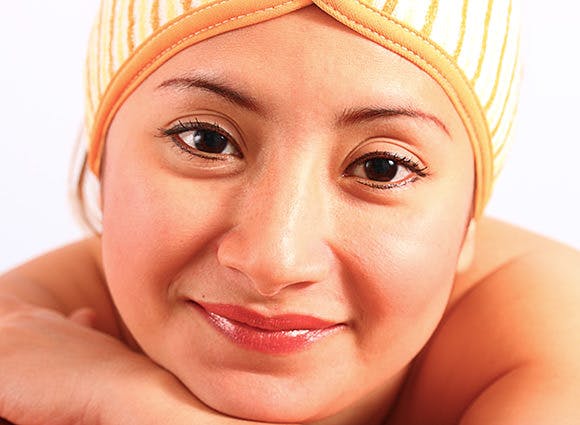
What is Facial Fat Grafting?

Facial fat grafting, also known as facial fat transfer, involves harvesting fat from areas of the body where it is abundant, such as the abdomen, thighs, or flanks, and carefully injecting it into specific areas of the face. This minimally invasive procedure addresses volume loss due to aging, enhances facial contours, and smooths out wrinkles and fine lines. Using your body's own fat ensures natural-looking and feeling results. The transferred fat integrates with existing tissues, providing enduring enhancement. 

Intro media

Facial Fat Grafting Overview

woman leaning on couch with some of her hair in her fingers

Facial Fat Grafting Combined with Other Procedures

Combining facial fat grafting with other surgical procedures can amplify the rejuvenating effects and provide comprehensive facial enhancement.

  • Facelift: By integrating facial fat grafting with a facelift, patients can achieve a more youthful and fuller appearance. The facelift addresses sagging skin, while fat grafting restores volume in specific areas, ensuring a balanced and natural look.
  • Neck Lift: A neck lift tightens and smooths the neck area, and when combined with facial fat grafting, it can enhance the overall harmony between the face and neck. The end result is a refreshed, youthful look.
  • Facial Rejuvenation Procedures: Fat grafting complements other facial rejuvenation techniques, such as eyelid surgery or brow lifts, by adding volume and enhancing the overall outcome. Addressing all areas of the face at once can provide a harmonious outcome, leading to a well-rounded result.

Who Is a Candidate for Facial Fat Grafting?

Ideal candidates for facial fat grafting include individuals who:

  • Experience Volume Loss: Have noticeable volume loss in the face due to aging or other factors.
  • Desire Natural Enhancement: Prefer a natural method of facial enhancement using their own body fat.
  • Have Adequate Donor Fat: Possess sufficient fat deposits in areas like the abdomen, thighs, or flanks for harvesting.
  • Are in Good Health: Are in overall good health with no significant medical conditions that could impair healing.
  • Have Realistic Expectations: Understand the potential outcomes and have realistic expectations for the procedure.
  • Seek Long-Lasting Results: Desire a more permanent solution compared to temporary fillers.

Who Could Benefit from Facial Fat Grafting?

Facial fat grafting is beneficial for individuals who:

  • Have Hollow Cheeks or Temples: Experience sunken or hollow areas in the cheeks or temples that need volume restoration.
  • Want to Enhance Facial Contours: Wish to improve the contours and symmetry of their face, such as defining the jawline or augmenting the lips.
  • Desire Wrinkle Reduction: Aim to smooth out wrinkles, fine lines, and creases by adding volume underneath the skin.
  • Are Undergoing Other Facial Procedures: Are combining fat grafting with procedures like facelifts, neck lifts, or eyelid surgery for comprehensive rejuvenation.
  • Seek Natural, Long-Lasting Results: They prefer to use their own fat for a more natural feel and longer-lasting results compared to synthetic fillers.
  • Are Looking to Improve Skin Quality: Benefit from the regenerative properties of fat, which can improve skin texture and quality.
Banner media
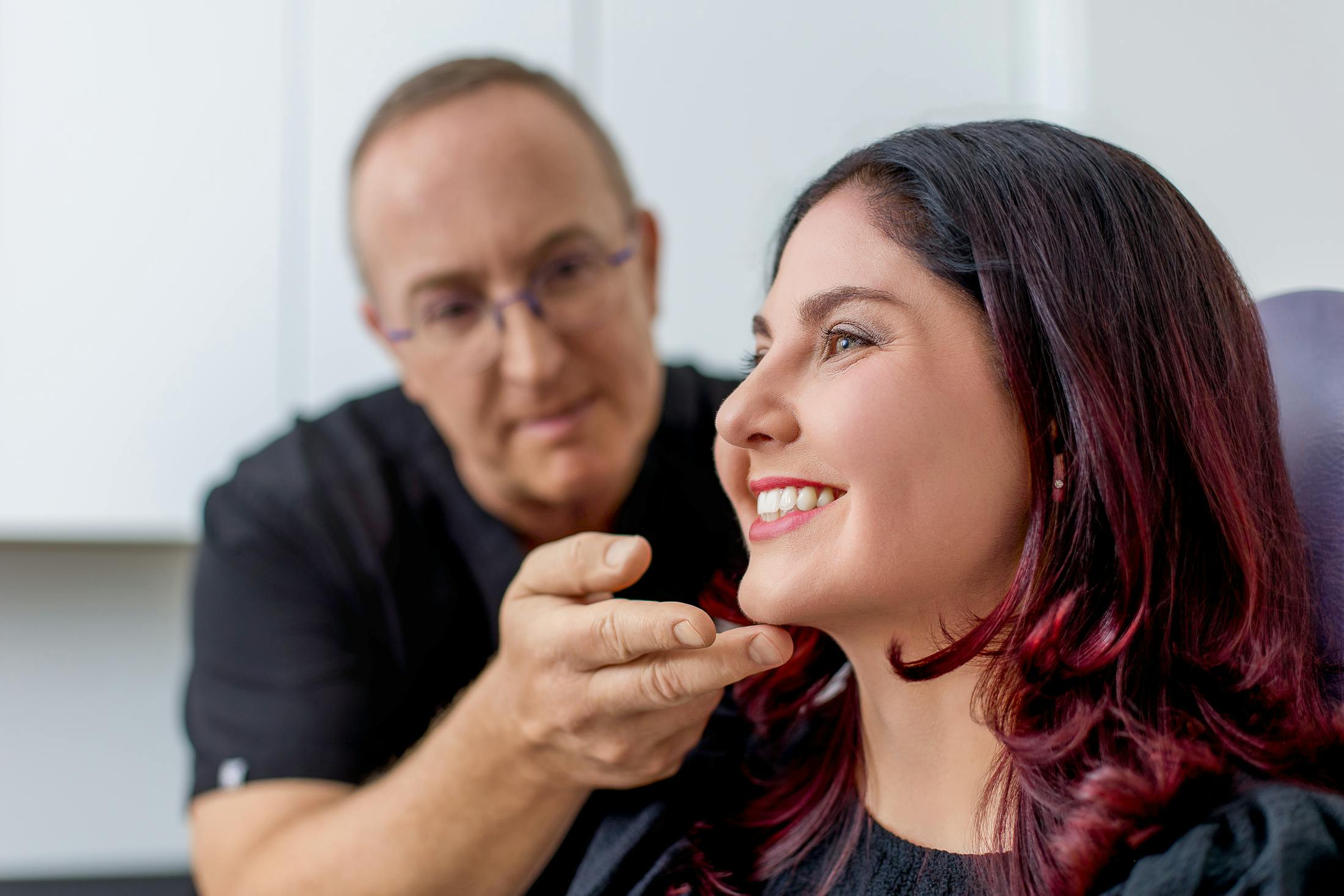
Doctor media

Why Choose The Spiegel Center?

The Spiegel Center is renowned for its expertise in facial aesthetics and personalized patient care. Our double board-certified surgeons ensure that each procedure is tailored to meet the unique needs and goals of our patients. We use advanced techniques and state-of-the-art technology to deliver exceptional results in a safe and comfortable environment.

Rejuvenate your appearance and restore youthful volume with facial fat grafting at The Spiegel Center. Contact us today to schedule your consultation and learn more about how this innovative procedure can enhance your natural beauty. The Aesthetic Show has honored Jeffrey Spiegel, MD, founder of The Spiegel Center, with its Lifetime Achievement Award for his contributions to plastic surgery, research, innovation, and physician education and was named Newsweek's America's Best Plastic Surgeons 2026 for Facelift and Rhinoplasty.

Facial Fat Grafting FAQs

Where on the Body Is Fat Typically Harvested for Facial Fat Grafting?

Fat is commonly harvested from areas with abundant donor supply, such as the abdomen, thighs, or flanks, using a gentle liposuction technique, then purified and reinjected into the face.

How Long Does Facial Fat Grafting Take to Perform?

The procedure typically takes 1 to a few hours, depending on how many facial areas are treated and whether it is combined with other procedures, such as a facelift.

Does All of the Transferred Fat Survive Long-Term?

Not all injected fat survives permanently. Some percentage is naturally reabsorbed by the body in the months following the procedure, which is why surgeons often slightly overfill treated areas to account for this expected settling.

How Long Until I See the Final Results of Facial Fat Grafting?

Initial swelling can make the face look fuller than the final outcome, with the settled, permanent result typically visible around three to six months after the procedure.

What Anesthesia Is Used?

The procedure is typically performed under local anesthesia with sedation, or general anesthesia if combined with other surgeries, and most patients report manageable discomfort at both the donor and injection sites during recovery.

Can Facial Fat Grafting Be Repeated if More Volume Is Needed Later?

Yes. Since some of the transferred fat may be reabsorbed over time, a touch-up fat grafting session can be performed later if a patient wants to add further volume.

What's the Difference Between Facial Fat Grafting and Dermal Fillers?

Facial fat grafting uses the patient's own tissue for a permanent, natural-feeling result after an initial recovery period, while dermal fillers are synthetic or biostimulating products that require little downtime but require repeat treatments every 1 to 2 years.

Will There Be Scarring From the Fat Harvesting Site?

Fat is typically harvested through very small incisions using a thin cannula, so scarring at the donor site is minimal and usually well concealed in natural body creases.

How Much Downtime Is Needed After Facial Fat Grafting?

Most patients experience swelling and bruising at both the donor and injection sites for one to two weeks, with many returning to normal activities within a week, depending on how many areas were treated.

What Are the Risks and Side Effects of Facial Fat Grafting?

Risks include infection, bleeding, and swelling or bruising at both the donor and injection sites. Because some transferred fat is naturally reabsorbed, results can be slightly uneven or require a touch-up session, and in rare cases, fat can form small lumps or calcifications under the skin.

Contact us media
Accessibility: If you are vision-impaired or have some other impairment covered by the Americans with Disabilities Act or a similar law, and you wish to discuss potential accommodations related to using this website, please contact our Accessibility Manager at 617-566-3223.
Contact Us